

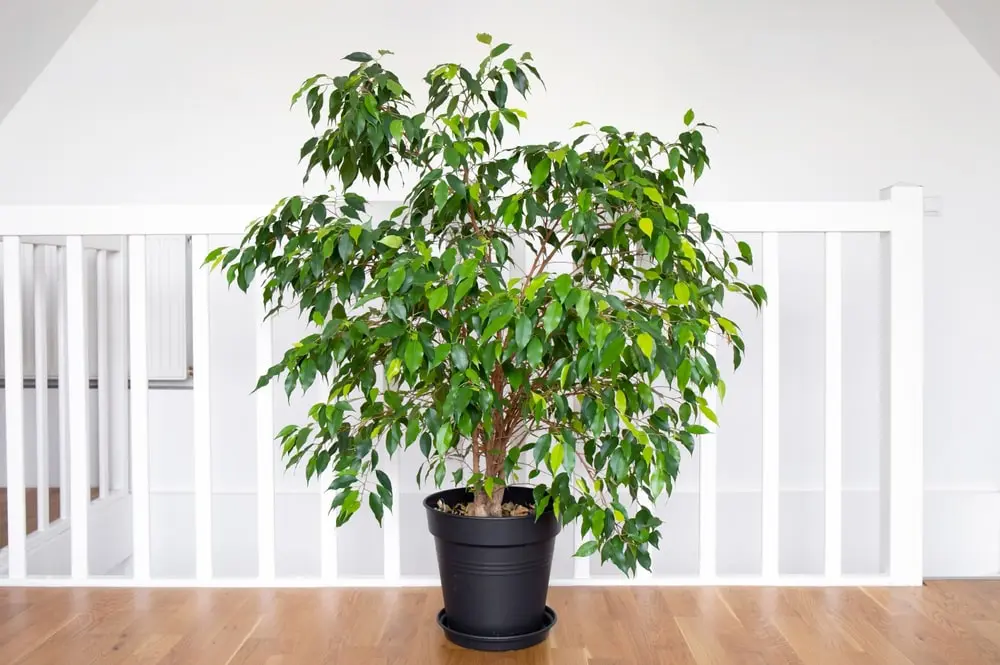
The Ficus genus is the backbone of landscaping and indoor greenery in Pakistan. From the massive, shade-giving Banyan trees to the sleek, modern Fiddle Leaf Fig, Ficus plants are prized for their “plastic-like” glossy leaves, rapid growth, and incredible durability against the local heat.
Popular Varieties in Pakistan
-
Ficus Starlight: Famous for its stunning white-and-green variegated leaves; brightens up shaded garden corners.
-
Ficus Black: Features deep, emerald-green (almost black) foliage; creates a very high-end, moody aesthetic.
-
Ficus Hawaii: A beautiful tri-color variety with splashes of cream, light green, and dark green.
-
Ficus Lyrata (Fiddle Leaf Fig): The “designer’s choice” for interiors, known for its massive, violin-shaped leaves.
-
Ficus Panda: Often used for topiary balls and formal hedges due to its thick, round, waxy leaves.
Key Benefits
-
Year-Round Luxury: Unlike deciduous trees, Ficus plants are evergreen. They maintain a lush, dense look throughout the winter, ensuring your garden or office never looks “dead.”
-
Superior Air Filtration: They are among the best plants for scrubbing urban pollutants and dust from the air, making them vital for homes in busy metropolitan areas.
-
Highly Adaptable: Whether you need a 20-foot privacy screen, a 4-foot indoor floor plant, or a tiny 10-inch bonsai, there is a Ficus variety that fits the requirement.
-
Resilience: They are exceptionally “tough.” Once established, they can handle the intense 45°C+ temperatures of a Lahore summer and are generally resistant to most local pests.
-
Sculptural Stems: Many varieties feature flexible stems that can be braided or twisted as they grow, turning a simple plant into a piece of “living art.”
Care Tips for Success
-
Sunlight: Most Ficus varieties prefer bright, indirect light. While they can handle full sun, the variegated types (like Starlight) may scorch if exposed to the direct 2:00 PM summer sun.
-
Watering: They like a “soak and dry” routine. Water deeply until it runs out of the drainage holes, then wait until the top inch of soil is dry before watering again.
-
Pruning: They produce a milky sap (latex) when cut, which is normal. Regular pruning during the spring and monsoon will help maintain a bushy, compact shape.
-
Winter Care: Some varieties may drop leaves if they get too cold or are placed in a drafty area. Move indoor pots away from cold windows during January.




Reviews
There are no reviews yet.