

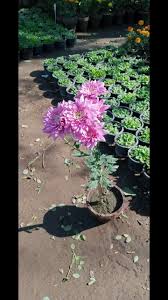
The Ixora (commonly known as Rukmini or Jungle Flame) is the star of the tropical summer garden. It is famous for its large, rounded clusters of star-shaped flowers that look like vibrant “pom-pons” sitting atop glossy, leathery leaves. In Pakistan, it is highly valued because it remains evergreen and provides consistent color throughout the hottest months of the year.
Quick Facts
-
Scientific Name: Ixora coccinea
-
Plant Type: Evergreen Flowering Shrub
-
Hardiness: Thrives in heat and high humidity; sensitive to extreme winter frost.
-
Colors: Most common in fiery red, but also available in bright yellow, orange, and soft pink.
Key Benefits
-
Non-Stop Summer Blooms: While many plants wilt in the intense heat, Ixora thrives. It begins blooming in late spring and continues through the monsoon until the onset of winter.
-
Year-Round Greenery: The foliage is thick, dark green, and incredibly glossy. Even when the plant is not in bloom, it serves as a high-quality ornamental shrub that looks “polished” and healthy.
-
Compact & Formal: Unlike Hibiscus, which can grow wild and leggy, Ixora has a naturally dense and compact growth habit. It is very easy to maintain as a neat, rounded globe or a low formal hedge.
-
Pollinator Magnet: The nectar-filled tubes of the flowers are a major attraction for butterflies and sunbirds, making it a “must-have” for a living, breathing garden.
-
Dwarf Varieties available: There are excellent dwarf versions (Mini-Ixora) that stay under 1.5 feet, making them perfect for decorative pots on balconies or as a clean border for garden walkways.
Care Tips for the Lahore Climate
-
Sunlight: Prefers full sun to partial shade. To get the maximum number of flower clusters, it needs at least 5–6 hours of sunlight. However, in the extreme 45°C+ heat of June, a spot that gets some afternoon shade will keep the leaves from turning slightly yellow.
-
Watering: Ixora loves moisture but hates “wet feet.” Water it regularly so the soil stays damp, but ensure your pots or garden beds have excellent drainage.
-
Soil (Important): Ixora prefers slightly acidic soil. If the leaves start turning yellow while the veins stay green, it’s a sign the soil is too alkaline (common in local tap water). Adding a little organic compost or a dedicated acidifying fertilizer once a month will fix this.
-
Pruning: Trim the plant after a “flush” of flowers has faded. This encourages the plant to branch out and produce a new set of blooms within a few weeks.
Landscape Styling Ideas
-
The “Jewel” Border: Use the dwarf red variety to create a solid line along a green lawn. The contrast between the deep red flowers and the green grass is spectacular.
-
Layered Hedges: Plant Ixora in front of taller, plain green hedges (like Ficus Panda). The Ixora provides the “pop” of color against the dark green backdrop.
-
Terrace Accents: Place three pots of different colored Ixora (Red, Yellow, and Orange) together in a corner to create a “sunset” effect on your terrace.


Reviews
There are no reviews yet.