

-
Botanical Identity: Scientifically known as Piper betle, this is a perennial dioecious climber in the family Piperaceae, making it a close relative of black pepper. It is a lush, evergreen vine characterized by its glossy, heart-shaped (cordate) leaves.
-
Architectural Climbing Habit: Similar to the Swiss Cheese Plant and Syngonium, the Betel Leaf is a vigorous climber that uses adventitious roots to scale supports. It can be trained up a moss pole or wooden trellis to create a dense, vertical wall of greenery.
-
Refined Leaf Texture: The leaves have a waxy, smooth texture with prominent veins that radiate from the base. This “ribbed” appearance provides a sophisticated architectural detail when viewed up close, contrasting well with the fine texture of the Zanzibar Croton.
-
Cultural and Functional Utility: In Pakistan, the Betel leaf (locally known as Paan) is highly valued for its traditional use as a post-meal palate cleanser and digestive aid. Growing your own provides a fresh, organic source for culinary and medicinal purposes.
-
Climate Adaptation: It thrives in the warm, humid conditions of South Asia. While it enjoys the heat, it requires protection from the intense, direct midday sun of Lahore, which can scorch its tender leaves; it performs best in dappled shade or bright, indirect light.
-
Moisture Management: Unlike the ZZ Plant, the Betel Leaf prefers a tropical environment with consistent moisture and high humidity. It should be planted in rich, well-draining soil and watered regularly to ensure the leaves remain turgid and vibrant.
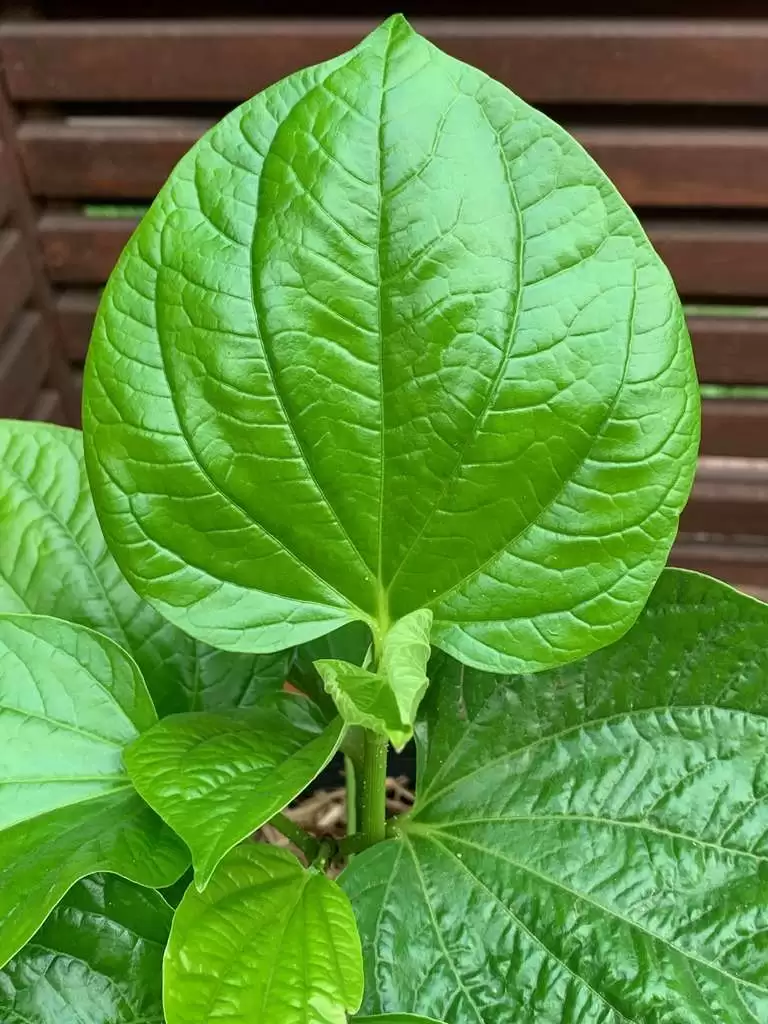
Betel Leaf
-
Botanical Identity: Scientifically known as Piper betle, this is a perennial dioecious climber in the family Piperaceae, making it a close relative of black pepper. It is a lush, evergreen vine characterized by its glossy, heart-shaped (cordate) leaves.
-
Architectural Climbing Habit: Similar to the Swiss Cheese Plant and Syngonium, the Betel Leaf is a vigorous climber that uses adventitious roots to scale supports. It can be trained up a moss pole or wooden trellis to create a dense, vertical wall of greenery.
-
Refined Leaf Texture: The leaves have a waxy, smooth texture with prominent veins that radiate from the base. This “ribbed” appearance provides a sophisticated architectural detail when viewed up close, contrasting well with the fine texture of the Zanzibar Croton.
-
Cultural and Functional Utility: In Pakistan, the Betel leaf (locally known as Paan) is highly valued for its traditional use as a post-meal palate cleanser and digestive aid. Growing your own provides a fresh, organic source for culinary and medicinal purposes.
-
Climate Adaptation: It thrives in the warm, humid conditions of South Asia. While it enjoys the heat, it requires protection from the intense, direct midday sun of Lahore, which can scorch its tender leaves; it performs best in dappled shade or bright, indirect light.
-
Moisture Management: Unlike the ZZ Plant, the Betel Leaf prefers a tropical environment with consistent moisture and high humidity. It should be planted in rich, well-draining soil and watered regularly to ensure the leaves remain turgid and vibrant.


Reviews
There are no reviews yet.