Calendula – Paneeri

Calendula, popularly known as “Gull-e-Ashrafi” in local nurseries, is one of the most cheerful and easy-to-grow winter annuals in Pakistan. When you buy Calendula Paneeri, you are getting a rugged, “workhorse” plant that provides a constant supply of bright orange and yellow blooms from mid-winter until the heat of May.

Description

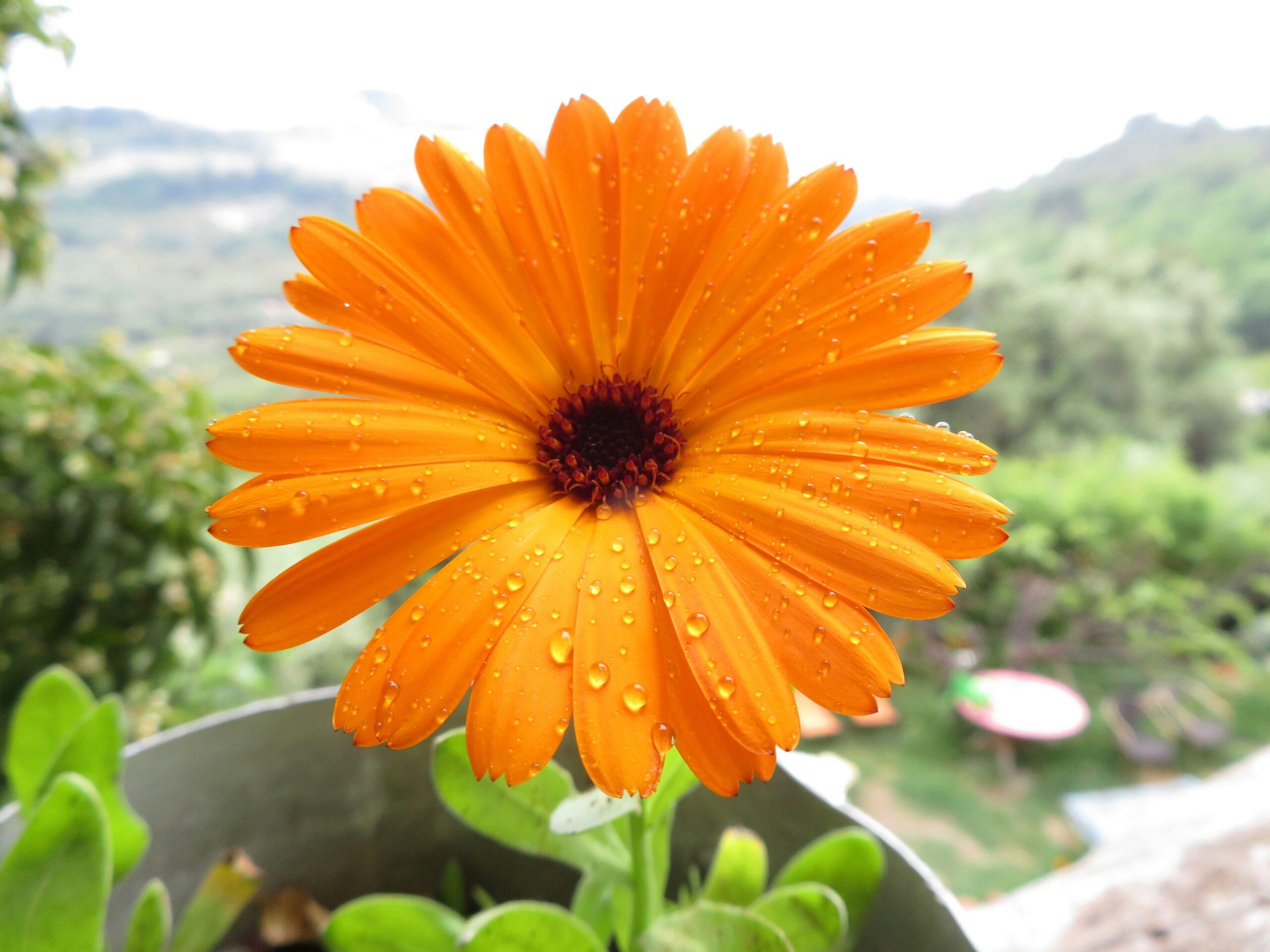
  • The Flowers: These are daisy-like, multi-petaled blossoms that range from simple singles to thick, “double” blooms that look like small pompoms. They are most famous for their “sunshine” colors—vibrant orange and lemon yellow.

  • The Foliage: The leaves are long, slightly rounded, and have a distinctively sticky, aromatic feel when touched.

  • Growth Habit: It is a bushy, compact plant that usually grows 10 to 18 inches tall, making it perfect for the front or middle of a flower bed.

Key Benefits

  • Edible & Medicinal: Known as the “Pot Marigold,” the petals are edible and often used to garnish salads or color rice. Medicinally, Calendula is a famous skin-healer used in creams for burns and rashes.

  • Pest Controller: It is an excellent “companion plant.” Its strong scent helps deter aphids and other pests from your vegetable garden.

  • Heat Tolerance: While it is a winter flower, Calendula is much tougher than Pansies. It is often one of the last winter annuals still blooming strongly in May.

  • Continuous Bloom: If you keep picking the flowers, the plant will reward you by producing new buds almost immediately.

  • Easy Seed Saving: Like Hollyhocks, Calendula produces large, curved, “C-shaped” seeds that are very easy to collect and store for the next season.

Maintenance & Care (May Strategy)

  • Sunlight: Thrives in full sun. However, as we enter the high temperatures of May, providing some afternoon shade will help the flowers last longer and prevent the petals from “scorching.”

  • Watering: It prefers regular watering but can handle a bit of dryness. In the current Lahore heat, water it daily in the early morning. Avoid overwatering, as the stems can become mushy if the soil stays soggy.

  • Deadheading: This is the secret to Calendula success. If you see a flower fading, snip it off immediately. If the plant starts forming seeds, it will stop producing new flowers.

  • Soil: It grows well in almost any soil but loves the standard “Bhal” (canal silt) mixed with a bit of organic compost.

  • Spacing: When planting paneeri, space them about 8 to 10 inches apart to allow for their bushy growth.

Landscape Styling Ideas

  • The “Sunny Border”: Plant a row of orange Calendula in front of your Ulta Ashoka or Thuja trees. The bright orange against the dark green is a classic, high-contrast look.

  • Vegetable Garden Companion: Interplant them with your Mint or Basil to keep the “bad bugs” away while adding a splash of color.

  • Terracotta Pots: Calendula looks beautiful in traditional clay pots. Three saplings in a 12-inch pot create a full, overflowing bouquet effect.

Category:

Calendula, popularly known as “Gull-e-Ashrafi” in local nurseries, is one of the most cheerful and easy-to-grow winter annuals in Pakistan. When you buy Calendula Paneeri, you are getting a rugged, “workhorse” plant that provides a constant supply of bright orange and yellow blooms from mid-winter until the heat of May.

Description

  • The Flowers: These are daisy-like, multi-petaled blossoms that range from simple singles to thick, “double” blooms that look like small pompoms. They are most famous for their “sunshine” colors—vibrant orange and lemon yellow.

  • The Foliage: The leaves are long, slightly rounded, and have a distinctively sticky, aromatic feel when touched.

  • Growth Habit: It is a bushy, compact plant that usually grows 10 to 18 inches tall, making it perfect for the front or middle of a flower bed.

Key Benefits

  • Edible & Medicinal: Known as the “Pot Marigold,” the petals are edible and often used to garnish salads or color rice. Medicinally, Calendula is a famous skin-healer used in creams for burns and rashes.

  • Pest Controller: It is an excellent “companion plant.” Its strong scent helps deter aphids and other pests from your vegetable garden.

  • Heat Tolerance: While it is a winter flower, Calendula is much tougher than Pansies. It is often one of the last winter annuals still blooming strongly in May.

  • Continuous Bloom: If you keep picking the flowers, the plant will reward you by producing new buds almost immediately.

  • Easy Seed Saving: Like Hollyhocks, Calendula produces large, curved, “C-shaped” seeds that are very easy to collect and store for the next season.

Maintenance & Care (May Strategy)

  • Sunlight: Thrives in full sun. However, as we enter the high temperatures of May, providing some afternoon shade will help the flowers last longer and prevent the petals from “scorching.”

  • Watering: It prefers regular watering but can handle a bit of dryness. In the current Lahore heat, water it daily in the early morning. Avoid overwatering, as the stems can become mushy if the soil stays soggy.

  • Deadheading: This is the secret to Calendula success. If you see a flower fading, snip it off immediately. If the plant starts forming seeds, it will stop producing new flowers.

  • Soil: It grows well in almost any soil but loves the standard “Bhal” (canal silt) mixed with a bit of organic compost.

  • Spacing: When planting paneeri, space them about 8 to 10 inches apart to allow for their bushy growth.

Landscape Styling Ideas

  • The “Sunny Border”: Plant a row of orange Calendula in front of your Ulta Ashoka or Thuja trees. The bright orange against the dark green is a classic, high-contrast look.

  • Vegetable Garden Companion: Interplant them with your Mint or Basil to keep the “bad bugs” away while adding a splash of color.

  • Terracotta Pots: Calendula looks beautiful in traditional clay pots. Three saplings in a 12-inch pot create a full, overflowing bouquet effect.
Reviews

There are no reviews yet.

Be the first to review “Calendula – Paneeri”

Your email address will not be published. Required fields are marked *

Scroll to Top