

-
Botanical Identity: Scientifically known as Chamaedorea cataractarum, the Cascade Palm (or Cat Palm) is a small, trunkless palm native to the rainforests of Southern Mexico. Unlike the Alexandra Palm, it grows in dense, clumping mounds.
-
Architectural Low-Profile: Because it lacks a central trunk, it remains relatively short—typically reaching 1 to 2 meters in height. Its “fountain-like” growth habit makes it an excellent choice for filling the lower mid-story level of a botanical arrangement or acting as a lush green backdrop for smaller succulents like the Adenium.
-
Lush, Feathered Texture: The fronds are pinnate and dark green, offering a deep, saturated color that contrasts beautifully with the silvery-blue of a Bismarck Palm. Its delicate, arching leaves provide a soft, organic texture that can “soften” the hard edges of architectural features or walls.
-
Superior Moisture Management: In its natural habitat, it grows along stream banks and near waterfalls. Consequently, it requires more consistent watering than the Areca Palm and thrives in high-humidity environments. This makes it a functional natural humidifier for indoor spaces.
-
Light-Agnostic Performance: It is highly shade-tolerant, making it a premier selection for dim corners, North-facing balconies, or office interiors where light is limited. While it can handle bright, indirect light, direct midday sun will quickly “bleach” or burn its deep green foliage.
-
Safe for Interior Environments: Unlike many architectural plants that may be toxic, the Cascade Palm is non-toxic to pets, making it a safe and functional choice for a family-oriented professional environment.
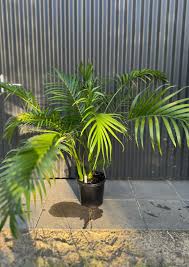
Casade Palm
-
Botanical Identity: Scientifically known as Chamaedorea cataractarum, the Cascade Palm (or Cat Palm) is a small, trunkless palm native to the rainforests of Southern Mexico. Unlike the Alexandra Palm, it grows in dense, clumping mounds.
-
Architectural Low-Profile: Because it lacks a central trunk, it remains relatively short—typically reaching 1 to 2 meters in height. Its “fountain-like” growth habit makes it an excellent choice for filling the lower mid-story level of a botanical arrangement or acting as a lush green backdrop for smaller succulents like the Adenium.
-
Lush, Feathered Texture: The fronds are pinnate and dark green, offering a deep, saturated color that contrasts beautifully with the silvery-blue of a Bismarck Palm. Its delicate, arching leaves provide a soft, organic texture that can “soften” the hard edges of architectural features or walls.
-
Superior Moisture Management: In its natural habitat, it grows along stream banks and near waterfalls. Consequently, it requires more consistent watering than the Areca Palm and thrives in high-humidity environments. This makes it a functional natural humidifier for indoor spaces.
-
Light-Agnostic Performance: It is highly shade-tolerant, making it a premier selection for dim corners, North-facing balconies, or office interiors where light is limited. While it can handle bright, indirect light, direct midday sun will quickly “bleach” or burn its deep green foliage.
-
Safe for Interior Environments: Unlike many architectural plants that may be toxic, the Cascade Palm is non-toxic to pets, making it a safe and functional choice for a family-oriented professional environment.


Reviews
There are no reviews yet.