Coperinicia Palm (Wax Palm)

The Copernicia Palm, commonly known as the Wax Palm, is a genus of palms renowned for their majestic appearance and the high-quality wax that coats their leaves. Native primarily to South America and the Caribbean, these palms are among the most sought-after specimens for high-end landscapes and botanical collections due to their unique texture and silver-blue hues.

Quick Facts

  • Scientific Name: Copernicia (popular species include Copernicia alba and Copernicia prunifera)

  • Plant Type: Slow-growing Evergreen Palm

  • Hardiness: Highly drought-tolerant and adaptable to alkaline soils.

  • Unique Feature: Leaves are covered in a thick layer of natural carnauba wax to prevent moisture loss.

Key Benefits

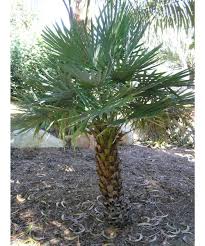
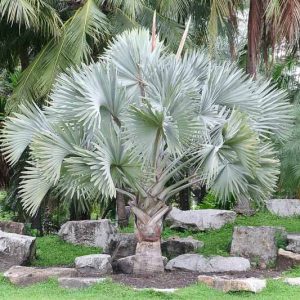
  • Distinctive Visual Appeal: These palms often feature stiff, fan-shaped fronds that can range from deep green to a stunning, metallic silver-blue. Their trunks are frequently textured with the remains of old leaf bases, creating a rugged, architectural look.

  • Extreme Drought & Heat Tolerance: Evolutionarily designed to survive harsh, dry environments, the Copernicia is an excellent choice for water-wise landscaping in arid climates.

  • Soil Versatility: Unlike many tropical palms that require acidic soil, the Wax Palm is remarkably tolerant of saline and alkaline soil conditions, making it suitable for a wide variety of geographical locations.

  • Economic & Sustainable Importance: The Copernicia prunifera is the primary source of Carnauba wax, used globally in food, cosmetics, and automotive polishes. Planting these supports an appreciation for one of nature’s most useful “industrial” plants.

  • Wind Resistance: Due to their sturdy trunks and stiff fronds, they are exceptionally wind-resistant, making them ideal for open landscapes or coastal regions where high winds are common.

Care Tips for Best Results

  • Sunlight: Thrives in full sun. Intense light is actually necessary for the plant to develop its characteristic waxy, silver coating.

  • Watering: While drought-tolerant, young palms need regular deep watering to establish their root system. Once mature, they can survive long periods without water.

  • Growth Rate: Be patient—these are very slow growers. Because of this, they are often sold as premium “specimen” plants since it takes years to achieve significant height.

  • Drainage: Must be planted in soil with excellent drainage. They do not tolerate “wet feet” or swampy conditions.
Category:

The Copernicia Palm, commonly known as the Wax Palm, is a genus of palms renowned for their majestic appearance and the high-quality wax that coats their leaves. Native primarily to South America and the Caribbean, these palms are among the most sought-after specimens for high-end landscapes and botanical collections due to their unique texture and silver-blue hues.

Quick Facts

  • Scientific Name: Copernicia (popular species include Copernicia alba and Copernicia prunifera)

  • Plant Type: Slow-growing Evergreen Palm

  • Hardiness: Highly drought-tolerant and adaptable to alkaline soils.

  • Unique Feature: Leaves are covered in a thick layer of natural carnauba wax to prevent moisture loss.

Key Benefits

  • Distinctive Visual Appeal: These palms often feature stiff, fan-shaped fronds that can range from deep green to a stunning, metallic silver-blue. Their trunks are frequently textured with the remains of old leaf bases, creating a rugged, architectural look.

  • Extreme Drought & Heat Tolerance: Evolutionarily designed to survive harsh, dry environments, the Copernicia is an excellent choice for water-wise landscaping in arid climates.

  • Soil Versatility: Unlike many tropical palms that require acidic soil, the Wax Palm is remarkably tolerant of saline and alkaline soil conditions, making it suitable for a wide variety of geographical locations.

  • Economic & Sustainable Importance: The Copernicia prunifera is the primary source of Carnauba wax, used globally in food, cosmetics, and automotive polishes. Planting these supports an appreciation for one of nature’s most useful “industrial” plants.

  • Wind Resistance: Due to their sturdy trunks and stiff fronds, they are exceptionally wind-resistant, making them ideal for open landscapes or coastal regions where high winds are common.

Care Tips for Best Results

  • Sunlight: Thrives in full sun. Intense light is actually necessary for the plant to develop its characteristic waxy, silver coating.

  • Watering: While drought-tolerant, young palms need regular deep watering to establish their root system. Once mature, they can survive long periods without water.

  • Growth Rate: Be patient—these are very slow growers. Because of this, they are often sold as premium “specimen” plants since it takes years to achieve significant height.

  • Drainage: Must be planted in soil with excellent drainage. They do not tolerate “wet feet” or swampy conditions.

Reviews

There are no reviews yet.

Be the first to review “Coperinicia Palm (Wax Palm)”

Your email address will not be published. Required fields are marked *

Scroll to Top