
Gazania – Paneeri

In the local gardening scene, Gazania (often called the Treasure Flower) is the “sun-worshipper” of the winter and spring garden. When you buy Gazania Paneeri (saplings), you are getting one of the most resilient, low-growing groundcovers available in Pakistan.

As of early May, Gazanias are one of the few winter annuals still looking spectacular in Lahore, as they actually enjoy the increasing light intensity that causes other flowers to wilt.

Description

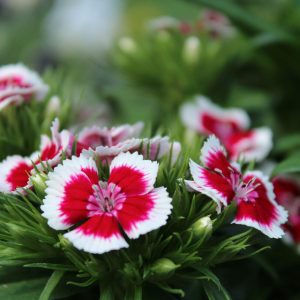
  • The Flowers: These are daisy-like blooms with stunning, vivid patterns. They often feature a “ring” of a different color around the central disc.

  • The “Sleep” Habit: A unique trait of Gazania is that the flowers close at night and on very cloudy days, “waking up” only when the sun hits them.

  • The Foliage: They have long, narrow, dark green leaves, often with a silvery-grey underside that helps the plant reflect heat.

  • Growth Habit: They stay very low to the ground (about 6 to 10 inches), spreading outward to form a dense mat.

Key Benefits

  • Heat & Drought Champion: Unlike Petunias or Pansies that struggle as April ends, Gazanias can handle the May heat quite well. They are extremely water-efficient.

  • Vibrant Color Palette: They come in “hot” colors—fiery oranges, bright yellows, bronzes, and multi-colored stripes (Tiger Gazanias)—that look electric under the Pakistani sun.

  • Salt Tolerant: If you are dealing with slightly “Kalar” (saline) soil or poor water quality, Gazania is one of the few ornamental flowers that will still perform.

  • Excellent Groundcover: Because they spread horizontally, they are perfect for filling gaps in front of taller plants like Scarlet Sage or Hollyhocks.

  • Low Maintenance: They require very little “deadheading” (removing old flowers) compared to other annuals, and they are rarely bothered by pests.

Maintenance & Care (May Strategy)

  • Sunlight: They must have full, direct sun. If planted in the shade, they will not open their flowers and the plant will become “mushy.”

  • Watering: The “Golden Rule” for Gazania is less is more. They hate sitting in wet soil. Water only when the top inch of soil feels bone-dry. Overwatering in the heat of May can lead to crown rot.

  • Soil: They prefer sandy, well-draining soil. Your local “Bhal” (canal silt) is perfect for them as it doesn’t hold too much stagnant water.

  • Spacing: When planting Paneeri, space them about 8 to 10 inches apart. They will quickly grow to fill the gaps.

  • Monsoon Transition: While they handle heat, they dislike the heavy, stagnant humidity of the late monsoon (August). Ensure they are planted in a location where water does not stand.

Landscape Styling Ideas

  • The “Rockery” Flower: Because of their rugged nature, they look best tucked between stones or cascading over the edge of a rock garden.

  • Edge Filler: Use them as the very first row along a walkway or driveway. Their low height ensures they don’t block the view of the plants behind them.

Category:

In the local gardening scene, Gazania (often called the Treasure Flower) is the “sun-worshipper” of the winter and spring garden. When you buy Gazania Paneeri (saplings), you are getting one of the most resilient, low-growing groundcovers available in Pakistan.

As of early May, Gazanias are one of the few winter annuals still looking spectacular in Lahore, as they actually enjoy the increasing light intensity that causes other flowers to wilt.

Description

  • The Flowers: These are daisy-like blooms with stunning, vivid patterns. They often feature a “ring” of a different color around the central disc.

  • The “Sleep” Habit: A unique trait of Gazania is that the flowers close at night and on very cloudy days, “waking up” only when the sun hits them.

  • The Foliage: They have long, narrow, dark green leaves, often with a silvery-grey underside that helps the plant reflect heat.

  • Growth Habit: They stay very low to the ground (about 6 to 10 inches), spreading outward to form a dense mat.

Key Benefits

  • Heat & Drought Champion: Unlike Petunias or Pansies that struggle as April ends, Gazanias can handle the May heat quite well. They are extremely water-efficient.

  • Vibrant Color Palette: They come in “hot” colors—fiery oranges, bright yellows, bronzes, and multi-colored stripes (Tiger Gazanias)—that look electric under the Pakistani sun.

  • Salt Tolerant: If you are dealing with slightly “Kalar” (saline) soil or poor water quality, Gazania is one of the few ornamental flowers that will still perform.

  • Excellent Groundcover: Because they spread horizontally, they are perfect for filling gaps in front of taller plants like Scarlet Sage or Hollyhocks.

  • Low Maintenance: They require very little “deadheading” (removing old flowers) compared to other annuals, and they are rarely bothered by pests.

Maintenance & Care (May Strategy)

  • Sunlight: They must have full, direct sun. If planted in the shade, they will not open their flowers and the plant will become “mushy.”

  • Watering: The “Golden Rule” for Gazania is less is more. They hate sitting in wet soil. Water only when the top inch of soil feels bone-dry. Overwatering in the heat of May can lead to crown rot.

  • Soil: They prefer sandy, well-draining soil. Your local “Bhal” (canal silt) is perfect for them as it doesn’t hold too much stagnant water.

  • Spacing: When planting Paneeri, space them about 8 to 10 inches apart. They will quickly grow to fill the gaps.

  • Monsoon Transition: While they handle heat, they dislike the heavy, stagnant humidity of the late monsoon (August). Ensure they are planted in a location where water does not stand.

Landscape Styling Ideas

  • The “Rockery” Flower: Because of their rugged nature, they look best tucked between stones or cascading over the edge of a rock garden.

  • Edge Filler: Use them as the very first row along a walkway or driveway. Their low height ensures they don’t block the view of the plants behind them.
Reviews

There are no reviews yet.

Be the first to review “Gazania – Paneeri”

Your email address will not be published. Required fields are marked *

Scroll to Top