Pandanus

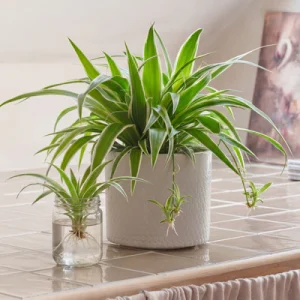
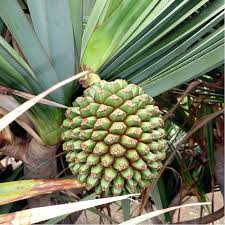
Pandanus (scientifically Pandanus baptistii or Pandanus utilis), commonly known as the Screw Pine, is a striking, architectural plant that brings a distinct “tropical island” vibe to Pakistani gardens. Despite the name, it isn’t a true pine; it is named for the spiral arrangement of its leaves, which looks like a giant green screw.

As of May, the Pandanus is in its element. It loves the heat and humidity, making it a very reliable performer for the Lahore summer.

Description

  • The Foliage: Long, sword-shaped leaves that grow in a spiraling crown. The most popular variety in local nurseries is the Variegated Pandanus, which features bright green leaves with bold, creamy-yellow stripes down the center.

  • The “Walking” Roots: As the plant matures, it often develops “stilt roots” or aerial roots that grow from the stem into the ground, making the plant look like it is standing on legs.

  • Growth Habit: It can be grown as a compact indoor plant, but in the ground, it can eventually grow into a large, multi-branched shrub or small tree reaching 8 to 12 feet.

Key Benefits

  • Architectural Beauty: Its geometric, spiraling growth makes it a natural focal point. It looks more like a piece of living sculpture than a typical shrub.

  • Tough as Nails: Pandanus is incredibly resilient. It can handle the heat, poor soil quality, and even a bit of neglect once it is established.

  • Salt Tolerant: If you have soil with high salinity (a common issue in parts of the Punjab), Pandanus is one of the few ornamental plants that will actually thrive.

  • Indoor/Outdoor Versatility: It works beautifully as a large indoor plant in a bright hallway or as a rugged outdoor specimen in the garden.

  • Year-Round Interest: Being an evergreen, it provides a consistent splash of bright, variegated color regardless of the season.

Maintenance & Care (May Strategy)

  • Sunlight: Pandanus loves bright, filtered light. While it can handle the morning sun, the variegated leaves may “burn” or turn brown if exposed to the blistering 40°C+ direct afternoon sun of Lahore in June. A spot with “dappled shade” is perfect.

  • Watering: It likes to stay hydrated but hates standing in water. In the current May heat, water it regularly but ensure the soil is well-drained. If the tips of the leaves turn brown, it usually means the air is too dry or the plant is thirsty.

  • Soil: It isn’t picky but prefers “Bhal” (canal silt) mixed with some sand for drainage.

  • The “Spines” Warning: Most Pandanus varieties have tiny, sharp teeth along the edges of the leaves. Always wear gloves when pruning or cleaning the plant to avoid “paper-cut” style nicks on your hands.

  • Cleaning: To keep the variegation looking bright, wipe the leaves with a damp cloth occasionally to remove the dust that settles during the dry summer months.
Category:

Pandanus (scientifically Pandanus baptistii or Pandanus utilis), commonly known as the Screw Pine, is a striking, architectural plant that brings a distinct “tropical island” vibe to Pakistani gardens. Despite the name, it isn’t a true pine; it is named for the spiral arrangement of its leaves, which looks like a giant green screw.

As of May, the Pandanus is in its element. It loves the heat and humidity, making it a very reliable performer for the Lahore summer.

Description

  • The Foliage: Long, sword-shaped leaves that grow in a spiraling crown. The most popular variety in local nurseries is the Variegated Pandanus, which features bright green leaves with bold, creamy-yellow stripes down the center.

  • The “Walking” Roots: As the plant matures, it often develops “stilt roots” or aerial roots that grow from the stem into the ground, making the plant look like it is standing on legs.

  • Growth Habit: It can be grown as a compact indoor plant, but in the ground, it can eventually grow into a large, multi-branched shrub or small tree reaching 8 to 12 feet.

Key Benefits

  • Architectural Beauty: Its geometric, spiraling growth makes it a natural focal point. It looks more like a piece of living sculpture than a typical shrub.

  • Tough as Nails: Pandanus is incredibly resilient. It can handle the heat, poor soil quality, and even a bit of neglect once it is established.

  • Salt Tolerant: If you have soil with high salinity (a common issue in parts of the Punjab), Pandanus is one of the few ornamental plants that will actually thrive.

  • Indoor/Outdoor Versatility: It works beautifully as a large indoor plant in a bright hallway or as a rugged outdoor specimen in the garden.

  • Year-Round Interest: Being an evergreen, it provides a consistent splash of bright, variegated color regardless of the season.

Maintenance & Care (May Strategy)

  • Sunlight: Pandanus loves bright, filtered light. While it can handle the morning sun, the variegated leaves may “burn” or turn brown if exposed to the blistering 40°C+ direct afternoon sun of Lahore in June. A spot with “dappled shade” is perfect.

  • Watering: It likes to stay hydrated but hates standing in water. In the current May heat, water it regularly but ensure the soil is well-drained. If the tips of the leaves turn brown, it usually means the air is too dry or the plant is thirsty.

  • Soil: It isn’t picky but prefers “Bhal” (canal silt) mixed with some sand for drainage.

  • The “Spines” Warning: Most Pandanus varieties have tiny, sharp teeth along the edges of the leaves. Always wear gloves when pruning or cleaning the plant to avoid “paper-cut” style nicks on your hands.

  • Cleaning: To keep the variegation looking bright, wipe the leaves with a damp cloth occasionally to remove the dust that settles during the dry summer months.

Reviews

There are no reviews yet.

Be the first to review “Pandanus”

Your email address will not be published. Required fields are marked *

Scroll to Top