Kochia

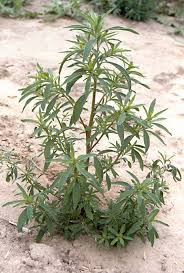
Kochia (scientifically Bassia scoparia), commonly known as “Burning Bush” or “Summer Cypress,” is a unique ornamental plant in Pakistan. Unlike most garden favorites, Kochia isn’t grown for its flowers—which are tiny and insignificant—but for its extraordinary texture and symmetrical shape.

In Lahore, it is the go-to plant for gardeners who want to add a “neat and tidy” architectural look to their summer landscape, as it thrives in the extreme heat of May and June.

Description

  • The Look: It grows into a perfect, natural oval or globe shape without any pruning. Its fine, needle-like foliage gives it a soft, feathery appearance that resembles a miniature cypress tree.

  • The Color: For most of the summer, it is a vivid, refreshing lime green. In cooler climates, it turns a fiery red in autumn (hence the name “Burning Bush”), but in the Punjab plains, it is primarily prized for its cooling green hue during the hot months.

  • Growth Habit: It is a fast-growing summer annual that typically reaches 2 to 3 feet in height. It is incredibly dense and looks like a soft, green cloud.

Key Benefits

  • Extreme Heat Tolerance: Kochia is a “desert survivor.” While other plants struggle when the temperature hits 45°C, Kochia remains vibrant and sturdy.

  • Zero-Maintenance Shaping: It naturally maintains its formal, rounded shape. You don’t need to be an expert with garden shears to have a perfectly manicured-looking garden.

  • Drought Hardiness: It is very water-efficient once established. It is an excellent choice for rooftop gardens or areas where water supply might be limited.

  • Fast Filler: If you have an empty patch of soil in May, a few Kochia saplings will fill that space with lush greenery in just a matter of weeks.

  • Soil Improver: It is known to be a “pioneer plant” that can grow in poor, salty, or alkaline soils where other flowers might fail.

Maintenance & Care

  • Sunlight: Needs full, blazing sun. If planted in the shade, it will lose its tight, rounded shape and become “floppy” and thin.

  • Watering: Even though it is drought-tolerant, to keep it looking “lush” and lime-green in the Lahore heat, it needs regular watering. Water it when the top inch of soil feels dry.

  • Soil: Thrives in well-drained “Bhal” (canal silt). It actually prefers soil that isn’t too rich; too much fertilizer can make it grow too fast and lose its symmetrical shape.

  • Spacing: When planting paneeri, space them about 1.5 to 2 feet apart. They need room to “inflate” into their globe shape without crowding each other.

  • Life Cycle: It is a summer annual. It will look beautiful from April until October. Once the winter chill sets in, the plant will turn brown and produce seeds, at which point it should be removed.
Category:

Kochia (scientifically Bassia scoparia), commonly known as “Burning Bush” or “Summer Cypress,” is a unique ornamental plant in Pakistan. Unlike most garden favorites, Kochia isn’t grown for its flowers—which are tiny and insignificant—but for its extraordinary texture and symmetrical shape.

In Lahore, it is the go-to plant for gardeners who want to add a “neat and tidy” architectural look to their summer landscape, as it thrives in the extreme heat of May and June.

Description

  • The Look: It grows into a perfect, natural oval or globe shape without any pruning. Its fine, needle-like foliage gives it a soft, feathery appearance that resembles a miniature cypress tree.

  • The Color: For most of the summer, it is a vivid, refreshing lime green. In cooler climates, it turns a fiery red in autumn (hence the name “Burning Bush”), but in the Punjab plains, it is primarily prized for its cooling green hue during the hot months.

  • Growth Habit: It is a fast-growing summer annual that typically reaches 2 to 3 feet in height. It is incredibly dense and looks like a soft, green cloud.

Key Benefits

  • Extreme Heat Tolerance: Kochia is a “desert survivor.” While other plants struggle when the temperature hits 45°C, Kochia remains vibrant and sturdy.

  • Zero-Maintenance Shaping: It naturally maintains its formal, rounded shape. You don’t need to be an expert with garden shears to have a perfectly manicured-looking garden.

  • Drought Hardiness: It is very water-efficient once established. It is an excellent choice for rooftop gardens or areas where water supply might be limited.

  • Fast Filler: If you have an empty patch of soil in May, a few Kochia saplings will fill that space with lush greenery in just a matter of weeks.

  • Soil Improver: It is known to be a “pioneer plant” that can grow in poor, salty, or alkaline soils where other flowers might fail.

Maintenance & Care

  • Sunlight: Needs full, blazing sun. If planted in the shade, it will lose its tight, rounded shape and become “floppy” and thin.

  • Watering: Even though it is drought-tolerant, to keep it looking “lush” and lime-green in the Lahore heat, it needs regular watering. Water it when the top inch of soil feels dry.

  • Soil: Thrives in well-drained “Bhal” (canal silt). It actually prefers soil that isn’t too rich; too much fertilizer can make it grow too fast and lose its symmetrical shape.

  • Spacing: When planting paneeri, space them about 1.5 to 2 feet apart. They need room to “inflate” into their globe shape without crowding each other.

  • Life Cycle: It is a summer annual. It will look beautiful from April until October. Once the winter chill sets in, the plant will turn brown and produce seeds, at which point it should be removed.

Reviews

There are no reviews yet.

Be the first to review “Kochia”

Your email address will not be published. Required fields are marked *

Scroll to Top