

-
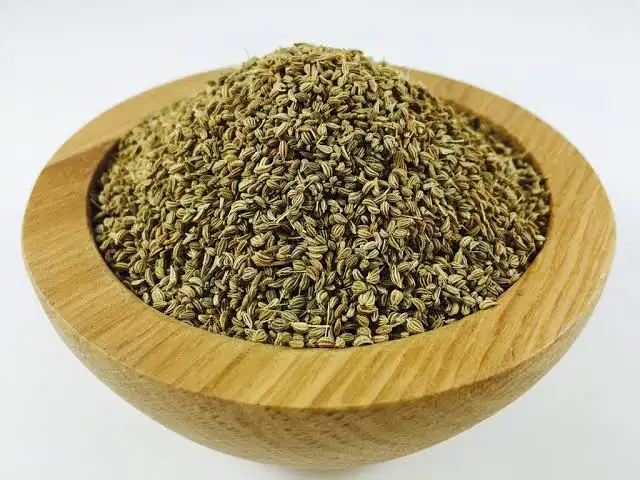
Botanical Identity: Scientifically known as Trachyspermum ammi, Ajwain is an annual herb in the family Apiaceae. While the seeds are the primary spice used in cooking, the plant itself features feathery, delicate green leaves similar to those of parsley or coriander.
-
Architectural Fine Texture: The plant offers a soft, airy aesthetic with its finely divided foliage. It provides a visual break when placed near broader-leaved architectural plants like the Monstera or Syngonium, adding a layer of intricate detail to a botanical collection.
-
The “Indian Borage” Alternative: In local nurseries, the term “Ajwain plant” often refers to Coleus amboinicus (also known as Mexican Mint or Patharchur). This variety is a semi-succulent with thick, fuzzy, bright green leaves that release a strong aroma identical to ajwain seeds when crushed.
-
Culinary and Medicinal Utility: Both the true Trachyspermum ammi and the succulent Coleus variety are highly valued in traditional wellness for aiding digestion. Having a specimen in your collection provides a functional, “edible” element alongside your decorative species.
-
Hardiness in the Heat: The succulent version is exceptionally resilient to the Lahore summer. It thrives in well-drained soil and can handle bright, indirect light or partial sun, making it an easy-addition for balconies or kitchen windowsills.
-
Ease of Propagation: Similar to the Snake Plant, the succulent Ajwain plant is incredibly easy to propagate from stem cuttings. A single branch can quickly be established in a new pot, allowing you to expand your greenery with minimal effort.


Reviews
There are no reviews yet.