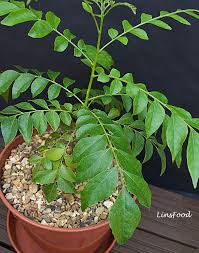
Curry Leafs

The Curry Leaf plant is an essential addition to any kitchen garden. Highly valued for its aromatic foliage, it is a staple in South Asian cuisine, providing a distinct, nutty aroma that cannot be replicated by dried spices. Beyond its culinary uses, it is a hardy, attractive shrub that thrives in the warm climate of regions like Lahore.

Quick Facts

  • Scientific Name: Murraya koenigii

  • Plant Type: Tropical to Sub-tropical Evergreen Shrub

  • Hardiness: Highly heat-tolerant; sensitive to heavy frost.

  • Growth Habit: Upright and bushy; can be kept as a small container plant or grown into a medium-sized tree.

Key Benefits

  • Culinary Powerhouse: The fresh leaves are a primary ingredient for tempering dals, curries, and chutneys, offering a unique flavor profile and an unmistakable fragrance.

  • Rich in Nutrients: Packed with carbohydrates, fiber, calcium, phosphorous, and iron. It also contains high levels of vitamins A and C, which are excellent for eye health and skin vitality.

  • Digestive & Health Aid: Traditionally used to treat upset stomachs and morning sickness. It is also known for its antioxidant and anti-inflammatory properties.

  • Natural Hair Care: Curry leaves are a popular home remedy for hair health; they are often infused into hair oils to help prevent premature graying and stimulate hair growth.

  • Low Maintenance: Once established, the plant is quite resilient. It is drought-tolerant and requires very little fertilization to produce a constant supply of fresh leaves.

Care Tips for Best Results

  • Sunlight: Thrives in full sun to partial shade. In the extreme heat of a Pakistani summer, providing some afternoon shade can prevent the leaves from yellowing.

  • Watering: Prefers well-drained soil. Water regularly, but allow the top inch of soil to dry out between waterings, as it does not like soggy roots.

  • Pruning: Regularly “pinch off” the tips of the branches to encourage a bushier growth habit and more leaf production.

  • Winter Care: During the colder months (December–January), the plant may go dormant and drop some leaves. Reduce watering during this time and keep it in a sheltered spot away from frost.
Category:

The Curry Leaf plant is an essential addition to any kitchen garden. Highly valued for its aromatic foliage, it is a staple in South Asian cuisine, providing a distinct, nutty aroma that cannot be replicated by dried spices. Beyond its culinary uses, it is a hardy, attractive shrub that thrives in the warm climate of regions like Lahore.

Quick Facts

  • Scientific Name: Murraya koenigii

  • Plant Type: Tropical to Sub-tropical Evergreen Shrub

  • Hardiness: Highly heat-tolerant; sensitive to heavy frost.

  • Growth Habit: Upright and bushy; can be kept as a small container plant or grown into a medium-sized tree.

Key Benefits

  • Culinary Powerhouse: The fresh leaves are a primary ingredient for tempering dals, curries, and chutneys, offering a unique flavor profile and an unmistakable fragrance.

  • Rich in Nutrients: Packed with carbohydrates, fiber, calcium, phosphorous, and iron. It also contains high levels of vitamins A and C, which are excellent for eye health and skin vitality.

  • Digestive & Health Aid: Traditionally used to treat upset stomachs and morning sickness. It is also known for its antioxidant and anti-inflammatory properties.

  • Natural Hair Care: Curry leaves are a popular home remedy for hair health; they are often infused into hair oils to help prevent premature graying and stimulate hair growth.

  • Low Maintenance: Once established, the plant is quite resilient. It is drought-tolerant and requires very little fertilization to produce a constant supply of fresh leaves.

Care Tips for Best Results

  • Sunlight: Thrives in full sun to partial shade. In the extreme heat of a Pakistani summer, providing some afternoon shade can prevent the leaves from yellowing.

  • Watering: Prefers well-drained soil. Water regularly, but allow the top inch of soil to dry out between waterings, as it does not like soggy roots.

  • Pruning: Regularly “pinch off” the tips of the branches to encourage a bushier growth habit and more leaf production.

  • Winter Care: During the colder months (December–January), the plant may go dormant and drop some leaves. Reduce watering during this time and keep it in a sheltered spot away from frost.

Reviews

There are no reviews yet.

Be the first to review “Curry Leafs”

Your email address will not be published. Required fields are marked *

Scroll to Top