

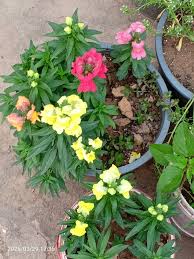
Antirrhinum, universally known in Pakistan as the Snapdragon (or Dog Flower in local nurseries), is a favorite winter annual that adds architectural height and a playful touch to the garden. When you buy Antirrhinum Paneeri, you are getting a plant that is famous for its unique “hinged” flowers—when you squeeze the sides of the blossom, the “mouth” of the dragon snaps open and shut.
While it is a winter specialist, its sturdy stalks and leathery leaves make it surprisingly resilient during the transition into the May heat.
Description
-
The Flowers: Bright, tubular blossoms that grow in dense clusters along an upright spike. They come in almost every color imaginable—crimson, yellow, bronze, pink, and bicolor—often with a velvety texture.
-
The Foliage: Narrow, dark green leaves that provide a lush base for the colorful flower towers.
-
Growth Habit: Depending on the variety of paneeri you buy, they can be Dwarf (6–10 inches), Intermediate, or Tall (up to 3 feet). The intermediate variety is most common in Lahore gardens.
Key Benefits
-
Vertical Color: Like Hollyhocks, Snapdragons provide a “spike” of color that draws the eye upward, breaking the flat look of a flower bed.
-
Excellent Cut Flower: They are highly valued for indoor vases. A single stalk of Snapdragon can stay fresh and continue opening its buds for over a week inside.
-
Pollinator Fun: Bees are the primary pollinators; they are strong enough to force the “dragon’s mouth” open to reach the nectar inside.
-
Extended Bloom Time: If you cut the main central spike after it finishes blooming, the plant will push out several smaller “side-spikes,” extending the flowering season.
-
Cold Hardy: They handle the chilly, foggy nights of a Punjab January with ease and are rarely damaged by light frost.
Maintenance & Care (May Strategy)
-
Sunlight: They love full sun. However, in the 40°C+ heat of May, the flowers will bleach and wilt quickly. To keep them going right now, ensure they are in a spot that gets shade after 1 PM.
-
Watering: They prefer consistent moisture. In the current dry heat, water them deeply in the morning. If the soil dries out too much, the stalks will “bend” and may not straighten up again.
-
Deadheading: This is vital. Once a flower spike starts turning into green seed pods at the bottom, snip the whole stalk off. This tells the plant to keep blooming instead of dying back.
-
Soil: They thrive in rich, well-draining “Bhal” (canal silt). Avoid heavy clay soil, which can cause the roots to suffocate.
-
Staking: For the “Tall” varieties, a small bamboo stick is necessary to prevent the spikes from falling over during a spring dust storm (Andhi).
Landscape Styling Ideas
-
The “Mid-Border” Row: Plant them behind lower flowers like Dianthus or Gazania, but in front of tall shrubs like Thuja.
-
Color Blocking: Plant a large patch of a single color (like all yellow or all deep red) for a very high-end, professional landscaping look.
-
Patio Containers: Three intermediate snapdragons in a deep pot create a beautiful, multi-layered “bouquet” effect for a sunny porch.


Reviews
There are no reviews yet.