

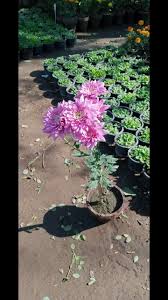
The Gul-e-Daudi (Chrysanthemum) is the undisputed queen of the winter garden in Pakistan. In cities like Lahore, the arrival of these blooms marks the official start of the “flower show” season. Known for their incredible variety of shapes—from tiny buttons to massive, shaggy “spider” blooms—they provide the most vibrant colors during the months when other plants are going dormant.
Quick Facts
-
Scientific Name: Chrysanthemum
-
Local Name: Gul-e-Daudi
-
Plant Type: Herbaceous Perennial (mostly grown as a winter annual in Pakistan)
-
Hardiness: Prefers the cool, crisp winter air; sensitive to the extreme heat of June.
-
Colors: Available in almost every shade including deep maroon, bright yellow, pure white, purple, and bronze.
Key Benefits
-
Spectacular Winter Bloom: While most tropical plants slow down in November and December, Gul-e-Daudi is at its peak. It provides essential color to lawns and terraces during the coolest months of the year.
-
Long-Lasting Flowers: Unlike many flowers that wither in a day, a single Chrysanthemum bloom can stay fresh on the plant for 3–4 weeks, making it one of the most “value-for-money” decorative plants.
-
Incredible Variety:
-
Large-Headed: Best for “specimen” pots where a single, massive flower acts as a centerpiece.
-
Pompon/Button: Small, round, and dense; perfect for creating a “carpet of color” in garden beds.
-
Spider/Spoon: Features long, tubular petals for a modern, exotic look.
-
-
Symbol of Heritage: Gul-e-Daudi is deeply rooted in local culture, with annual exhibitions held in public parks (like Bagh-e-Jinnah) attracting thousands of enthusiasts.
-
Excellent Cut Flower: They are world-renowned as cut flowers. A few stems in a vase can brighten an indoor room for up to two weeks.
Care Tips for the Local Season
-
The Timing: In Pakistan, cuttings are usually prepared during the monsoon (July/August) so they are ready to bloom by late November.
-
Sunlight: They need full, direct sunlight during the winter to produce strong stems and vibrant colors.
-
Watering: Water at the base of the plant. Avoid getting water on the leaves or flowers, as this can lead to fungal issues in the cool morning dew.
-
Staking: The large-headed varieties can become top-heavy. Use thin bamboo sticks (kamchis) to support the stems so the heavy flowers don’t bend or break.
-
Pinching: To get a “bushy” plant with hundreds of small flowers, “pinch” off the growing tips during the early stages (September/October). This encourages the plant to branch out.
Landscape Styling Ideas
-
The “Graduated” Border: Plant shorter button varieties in the front and taller, large-headed varieties in the back to create a tiered wall of color along a driveway.
-
Terrace Collections: They look best when grouped together. Collect 10–15 pots of different colors and arrange them in a corner of your terrace to create an instant “mini-exhibition.”


Reviews
There are no reviews yet.