Pandanus

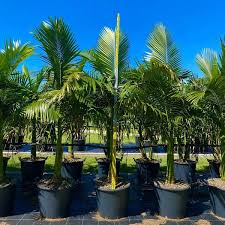
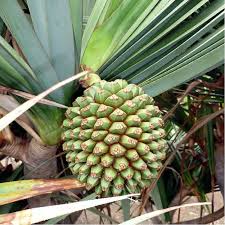
The Pandanus (commonly known as the Screw Pine) is a striking, architectural plant that brings a tropical “seaside” vibe to a garden. Despite its name, it isn’t a pine or a palm, but a unique genus of monocots. In Pakistan, it is highly valued for its spiral growth pattern and its incredible toughness in the face of intense summer heat.

Quick Facts

  • Scientific Name: Pandanus baptistii (Variegated) or Pandanus utilis.

  • Common Names: Screw Pine, Kewra (related species).

  • Plant Type: Evergreen Tropical Shrub / Small Tree.

  • Key Feature: Long, sword-shaped leaves that grow in a distinct spiral (screw-like) arrangement around the stem.

Key Benefits

  • Dramatic Architecture: The “Screw Pine” name comes from the way the leaves emerge in a spiral. As it grows, it often develops “prop roots” (stilt roots) that emerge from the trunk and grow into the ground, giving it a prehistoric, exotic appearance.

  • Variegated Brilliance: The most popular variety in local nurseries is the Variegated Pandanus, which features bright yellow or creamy white stripes down the center of dark green leaves. It is excellent for adding a “splash of light” to green corners.

  • Heat & Salt Tolerance: It is one of the few plants that can handle the combination of high temperatures, dry winds, and even slightly salty soil. This makes it a popular choice for coastal areas like Karachi, but it performs equally well in the Lahore heat.

  • Low Maintenance: It is remarkably pest-resistant and doesn’t require frequent pruning or deadheading. Once established, it is very self-sufficient.

  • Versatility: It can be used as a standalone focal point, a dense privacy screen (as the leaves can be quite sharp/prickly), or even as a large indoor plant for well-lit foyers.

Care Tips for the Local Climate

  • Sunlight: Thrives in full sun to partial shade. In the extreme 45°C+ heat of June, the variegated varieties prefer a bit of afternoon shade to prevent the yellow stripes from “scorching” or turning brown.

  • Watering: It likes regular watering during the summer but is surprisingly drought-tolerant. Ensure the soil is well-drained; like most tropicals, it does not like to sit in stagnant water during the monsoon.

  • Soil: It is not picky but prefers a sandy or loamy mix. It handles the local “Kalar” (saline) soil better than many other ornamental plants.

  • Safety Note: Most Pandanus varieties have tiny, sharp serrated edges along the leaves. Be careful when walking near them or pruning, and avoid planting them directly next to narrow walkways where people might brush against them.

Landscape Styling Ideas

  • The “Island” Focal Point: Plant a single, large Pandanus in the middle of a gravel bed or a circular lawn. Its unique spiral shape makes it a natural center of attention.

  • Tropical Cluster: Pair it with Areca Palms, Jatropha, and Hibiscus. The sharp, structured leaves of the Pandanus provide a perfect contrast to the softer foliage of other tropical plants.

  • Tall Planters: Use Variegated Pandanus in large, dark-colored ceramic pots on a sunny terrace. The yellow stripes pop beautifully against dark backgrounds.
Category:

The Pandanus (commonly known as the Screw Pine) is a striking, architectural plant that brings a tropical “seaside” vibe to a garden. Despite its name, it isn’t a pine or a palm, but a unique genus of monocots. In Pakistan, it is highly valued for its spiral growth pattern and its incredible toughness in the face of intense summer heat.

Quick Facts

  • Scientific Name: Pandanus baptistii (Variegated) or Pandanus utilis.

  • Common Names: Screw Pine, Kewra (related species).

  • Plant Type: Evergreen Tropical Shrub / Small Tree.

  • Key Feature: Long, sword-shaped leaves that grow in a distinct spiral (screw-like) arrangement around the stem.

Key Benefits

  • Dramatic Architecture: The “Screw Pine” name comes from the way the leaves emerge in a spiral. As it grows, it often develops “prop roots” (stilt roots) that emerge from the trunk and grow into the ground, giving it a prehistoric, exotic appearance.

  • Variegated Brilliance: The most popular variety in local nurseries is the Variegated Pandanus, which features bright yellow or creamy white stripes down the center of dark green leaves. It is excellent for adding a “splash of light” to green corners.

  • Heat & Salt Tolerance: It is one of the few plants that can handle the combination of high temperatures, dry winds, and even slightly salty soil. This makes it a popular choice for coastal areas like Karachi, but it performs equally well in the Lahore heat.

  • Low Maintenance: It is remarkably pest-resistant and doesn’t require frequent pruning or deadheading. Once established, it is very self-sufficient.

  • Versatility: It can be used as a standalone focal point, a dense privacy screen (as the leaves can be quite sharp/prickly), or even as a large indoor plant for well-lit foyers.

Care Tips for the Local Climate

  • Sunlight: Thrives in full sun to partial shade. In the extreme 45°C+ heat of June, the variegated varieties prefer a bit of afternoon shade to prevent the yellow stripes from “scorching” or turning brown.

  • Watering: It likes regular watering during the summer but is surprisingly drought-tolerant. Ensure the soil is well-drained; like most tropicals, it does not like to sit in stagnant water during the monsoon.

  • Soil: It is not picky but prefers a sandy or loamy mix. It handles the local “Kalar” (saline) soil better than many other ornamental plants.

  • Safety Note: Most Pandanus varieties have tiny, sharp serrated edges along the leaves. Be careful when walking near them or pruning, and avoid planting them directly next to narrow walkways where people might brush against them.

Landscape Styling Ideas

  • The “Island” Focal Point: Plant a single, large Pandanus in the middle of a gravel bed or a circular lawn. Its unique spiral shape makes it a natural center of attention.

  • Tropical Cluster: Pair it with Areca Palms, Jatropha, and Hibiscus. The sharp, structured leaves of the Pandanus provide a perfect contrast to the softer foliage of other tropical plants.

  • Tall Planters: Use Variegated Pandanus in large, dark-colored ceramic pots on a sunny terrace. The yellow stripes pop beautifully against dark backgrounds.

Reviews

There are no reviews yet.

Be the first to review “Pandanus”

Your email address will not be published. Required fields are marked *

Scroll to Top