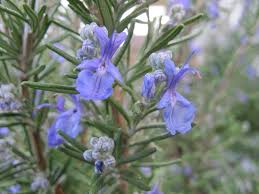
Rosemary

Rosemary (scientifically known as Salvia rosmarinus) is a woody, perennial herb that is becoming increasingly popular in Pakistani gardens. While it originates from the Mediterranean, it is surprisingly well-suited to our local environment, offering a unique “pine-like” fragrance and immense culinary value.

In the local climate, it is prized as a “Dual-Purpose” plant—it serves as a hardy, structural ornamental shrub and a gourmet kitchen staple.

Quick Facts

  • Scientific Name: Salvia rosmarinus

  • Plant Type: Evergreen Woody Perennial / Sub-shrub

  • Hardiness: Very heat-tolerant and moderately frost-hardy.

  • Aroma: Intense, refreshing scent of pine, lemon, and wood.

Key Benefits

  • The Gourmet’s Herb: Unlike many delicate herbs, Rosemary holds its flavor under high heat. It is perfect for marinating meats, roasting potatoes, or even infusing local olive oils.

  • Drought Specialist: Once its root system is established, Rosemary is incredibly water-efficient. It can survive the dry heat of May and June with much less water than soft-leaved herbs like Mint.

  • Natural Pest Deterrent: The strong essential oils in the leaves are a natural repellent for many garden pests, including some species of flies and mosquitoes.

  • Architectural Texture: With its needle-like leaves and woody stems, it adds a “rugged” or “wild” texture to the garden that contrasts beautifully with the soft, broad leaves of tropical plants like Pandanus.

  • Memory & Focus: In traditional aromatherapy, the scent of Rosemary is linked to improved concentration. Having it near a study window or an outdoor home office can provide a refreshing mental boost.

Care Tips for the Lahore Climate

  • Sunlight: Needs full, blazing sun. It will become “leggy” and lose its flavor if kept in the shade. It loves the intense Pakistani sun.

  • Watering (The “Golden Rule”): Never overwater. Rosemary hates “wet feet.” It is much more likely to die from too much water than too little. Ensure the soil dries out completely between waterings. During the monsoon, make sure it is planted in a spot where water does not stand.

  • Soil: Requires very well-drained, sandy soil. If your garden has heavy clay soil, it is best to grow Rosemary in terracotta pots or raised beds mixed with extra sand and grit.

  • Pruning: It can be shaped into low hedges or even “topiary” balls. Regular harvesting of the tips actually encourages the plant to become bushier and prevents it from becoming too woody at the base.
Category:

Rosemary (scientifically known as Salvia rosmarinus) is a woody, perennial herb that is becoming increasingly popular in Pakistani gardens. While it originates from the Mediterranean, it is surprisingly well-suited to our local environment, offering a unique “pine-like” fragrance and immense culinary value.

In the local climate, it is prized as a “Dual-Purpose” plant—it serves as a hardy, structural ornamental shrub and a gourmet kitchen staple.

Quick Facts

  • Scientific Name: Salvia rosmarinus

  • Plant Type: Evergreen Woody Perennial / Sub-shrub

  • Hardiness: Very heat-tolerant and moderately frost-hardy.

  • Aroma: Intense, refreshing scent of pine, lemon, and wood.

Key Benefits

  • The Gourmet’s Herb: Unlike many delicate herbs, Rosemary holds its flavor under high heat. It is perfect for marinating meats, roasting potatoes, or even infusing local olive oils.

  • Drought Specialist: Once its root system is established, Rosemary is incredibly water-efficient. It can survive the dry heat of May and June with much less water than soft-leaved herbs like Mint.

  • Natural Pest Deterrent: The strong essential oils in the leaves are a natural repellent for many garden pests, including some species of flies and mosquitoes.

  • Architectural Texture: With its needle-like leaves and woody stems, it adds a “rugged” or “wild” texture to the garden that contrasts beautifully with the soft, broad leaves of tropical plants like Pandanus.

  • Memory & Focus: In traditional aromatherapy, the scent of Rosemary is linked to improved concentration. Having it near a study window or an outdoor home office can provide a refreshing mental boost.

Care Tips for the Lahore Climate

  • Sunlight: Needs full, blazing sun. It will become “leggy” and lose its flavor if kept in the shade. It loves the intense Pakistani sun.

  • Watering (The “Golden Rule”): Never overwater. Rosemary hates “wet feet.” It is much more likely to die from too much water than too little. Ensure the soil dries out completely between waterings. During the monsoon, make sure it is planted in a spot where water does not stand.

  • Soil: Requires very well-drained, sandy soil. If your garden has heavy clay soil, it is best to grow Rosemary in terracotta pots or raised beds mixed with extra sand and grit.

  • Pruning: It can be shaped into low hedges or even “topiary” balls. Regular harvesting of the tips actually encourages the plant to become bushier and prevents it from becoming too woody at the base.

Reviews

There are no reviews yet.

Be the first to review “Rosemary”

Your email address will not be published. Required fields are marked *

Scroll to Top