DIANTHUS – PANEERI

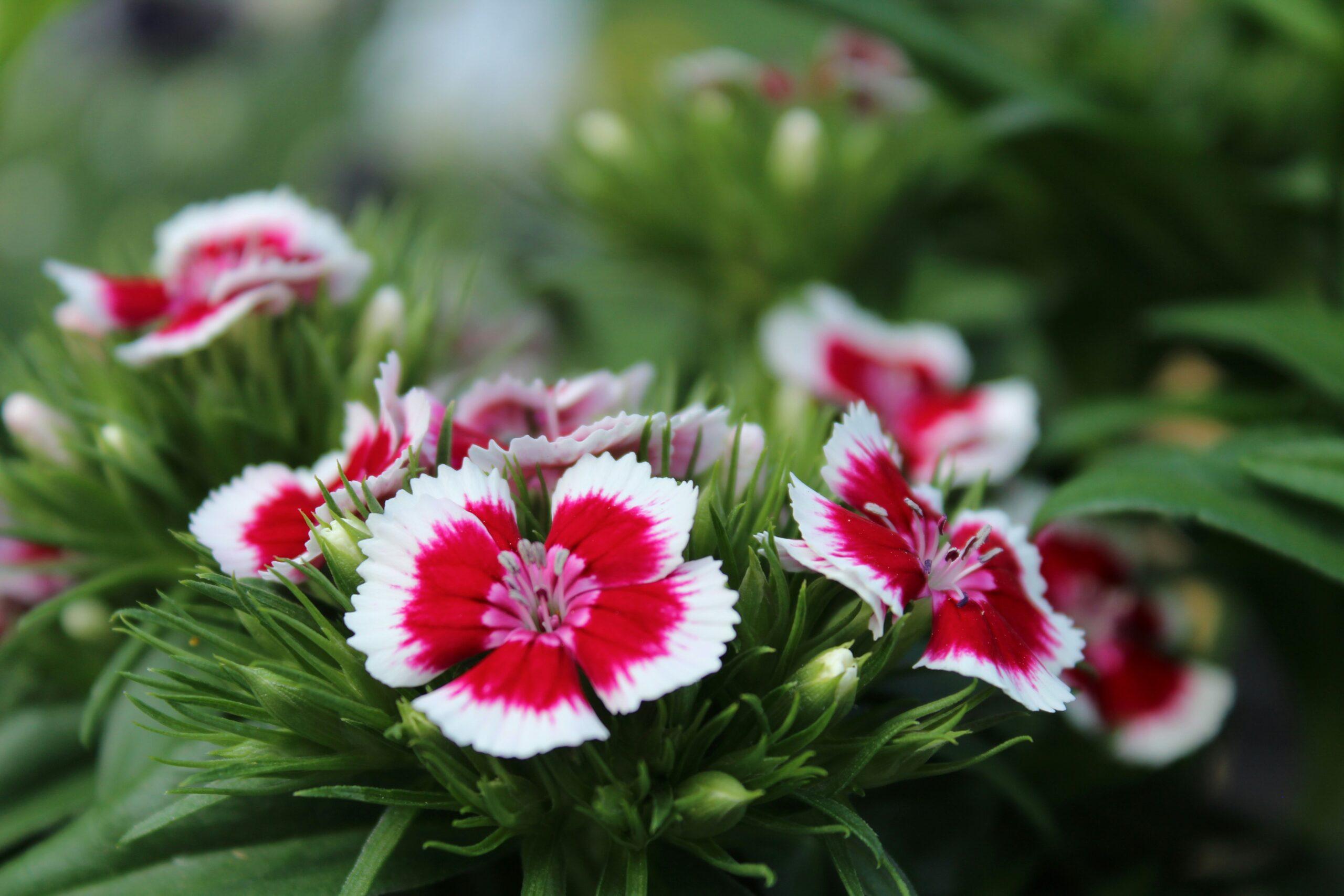
In the nurseries of Lahore, Dianthus paneeri (commonly known as Pinks or Miniature Carnations) is one of the most reliable and hard-working winter annuals. It is a member of the Caryophyllaceae family and is cherished for its “fringed” petals that look like they were cut with pinking shears.

While it is a winter staple, Dianthus is surprisingly tough—often outlasting Petunias and Pansies as we head into the warmer days of May.

Description

  • The Flowers: Small, star-like blossoms with serrated edges. They come in solid colors (pink, red, white) or “picotee” patterns (white with a purple eye or pink with red edges).

  • The Foliage: Distinctive blue-green, narrow, grass-like leaves that form a neat, dense cushion.

  • The Scent: Many varieties have a subtle, spicy fragrance reminiscent of cloves.

  • Growth Habit: Compact and mounding, usually staying between 6 to 12 inches tall.

Key Benefits

  • Long-Distance Bloomer: Dianthus has one of the longest flowering seasons in Pakistan. If planted in November, it can often keep blooming well into late May if given a little afternoon shade.

  • Exceptional Heat Tolerance: Compared to other winter “paneeri,” Dianthus handles the rising temperatures of April and May with much more grace.

  • The “Cut Flower” Quality: Even though the stems are short, they are very sturdy. A small bunch in a bud vase can stay fresh for over a week inside your home.

  • Pollinator Friendly: Butterflies love the flat landing pads of the Dianthus petals.

  • Low Mess: They are “clean” plants; the old flowers don’t turn into a mushy mess, making them great for pots on a clean porch or patio.

Maintenance & Care (May Strategy)

  • Sunlight: In winter, they need full sun. However, right now in May, your Dianthus will survive much longer if you move the pots to a spot that gets morning sun and afternoon shade.

  • Watering: They prefer “even” moisture. They do not like to be bone-dry, but they also hate “wet feet.” Water when the surface of the soil feels dry. Avoid watering the center of the clump, as this can cause the stems to rot in the heat.

  • Deadheading (Crucial): To keep them blooming in May, you must snip off the faded flower heads. This prevents the plant from setting seed and encourages it to push out one last flush of flowers.

  • Soil: They thrive in well-drained “Bhal” (canal silt) with a bit of leaf compost. They prefer slightly alkaline soil, which is common in the Lahore region.

  • Spacing: If you are planting paneeri, space them about 6 inches apart. They will grow into each other to form a solid “carpet” of color.

Landscape Styling Ideas

  • The “Ribbon” Border: Plant a single color of Dianthus in a long, straight line at the very edge of a flower bed. It creates a neat, professional-looking frame.

  • Window Boxes: Their compact size and “spilling” habit make them perfect for window boxes or hanging baskets on a bright veranda.

  • The Multi-Color Patch: Mix different shades of pink and white paneeri to create a “candy-shop” look in a small circular bed.

Category:

In the nurseries of Lahore, Dianthus paneeri (commonly known as Pinks or Miniature Carnations) is one of the most reliable and hard-working winter annuals. It is a member of the Caryophyllaceae family and is cherished for its “fringed” petals that look like they were cut with pinking shears.

While it is a winter staple, Dianthus is surprisingly tough—often outlasting Petunias and Pansies as we head into the warmer days of May.

Description

  • The Flowers: Small, star-like blossoms with serrated edges. They come in solid colors (pink, red, white) or “picotee” patterns (white with a purple eye or pink with red edges).

  • The Foliage: Distinctive blue-green, narrow, grass-like leaves that form a neat, dense cushion.

  • The Scent: Many varieties have a subtle, spicy fragrance reminiscent of cloves.

  • Growth Habit: Compact and mounding, usually staying between 6 to 12 inches tall.

Key Benefits

  • Long-Distance Bloomer: Dianthus has one of the longest flowering seasons in Pakistan. If planted in November, it can often keep blooming well into late May if given a little afternoon shade.

  • Exceptional Heat Tolerance: Compared to other winter “paneeri,” Dianthus handles the rising temperatures of April and May with much more grace.

  • The “Cut Flower” Quality: Even though the stems are short, they are very sturdy. A small bunch in a bud vase can stay fresh for over a week inside your home.

  • Pollinator Friendly: Butterflies love the flat landing pads of the Dianthus petals.

  • Low Mess: They are “clean” plants; the old flowers don’t turn into a mushy mess, making them great for pots on a clean porch or patio.

Maintenance & Care (May Strategy)

  • Sunlight: In winter, they need full sun. However, right now in May, your Dianthus will survive much longer if you move the pots to a spot that gets morning sun and afternoon shade.

  • Watering: They prefer “even” moisture. They do not like to be bone-dry, but they also hate “wet feet.” Water when the surface of the soil feels dry. Avoid watering the center of the clump, as this can cause the stems to rot in the heat.

  • Deadheading (Crucial): To keep them blooming in May, you must snip off the faded flower heads. This prevents the plant from setting seed and encourages it to push out one last flush of flowers.

  • Soil: They thrive in well-drained “Bhal” (canal silt) with a bit of leaf compost. They prefer slightly alkaline soil, which is common in the Lahore region.

  • Spacing: If you are planting paneeri, space them about 6 inches apart. They will grow into each other to form a solid “carpet” of color.

Landscape Styling Ideas

  • The “Ribbon” Border: Plant a single color of Dianthus in a long, straight line at the very edge of a flower bed. It creates a neat, professional-looking frame.

  • Window Boxes: Their compact size and “spilling” habit make them perfect for window boxes or hanging baskets on a bright veranda.

  • The Multi-Color Patch: Mix different shades of pink and white paneeri to create a “candy-shop” look in a small circular bed.

Reviews

There are no reviews yet.

Be the first to review “DIANTHUS – PANEERI”

Your email address will not be published. Required fields are marked *

Scroll to Top