INDIAN SENNA

Indian Senna (scientifically Senna alexandrina or Cassia angustifolia), known locally as Sana-e-Makki, is a legendary medicinal shrub that is deeply embedded in the herbal traditions of Pakistan. While it is often found growing wild in the arid regions of Sindh and Punjab, it is increasingly being introduced into home gardens for its striking yellow blooms and its “home pharmacy” value.

Description

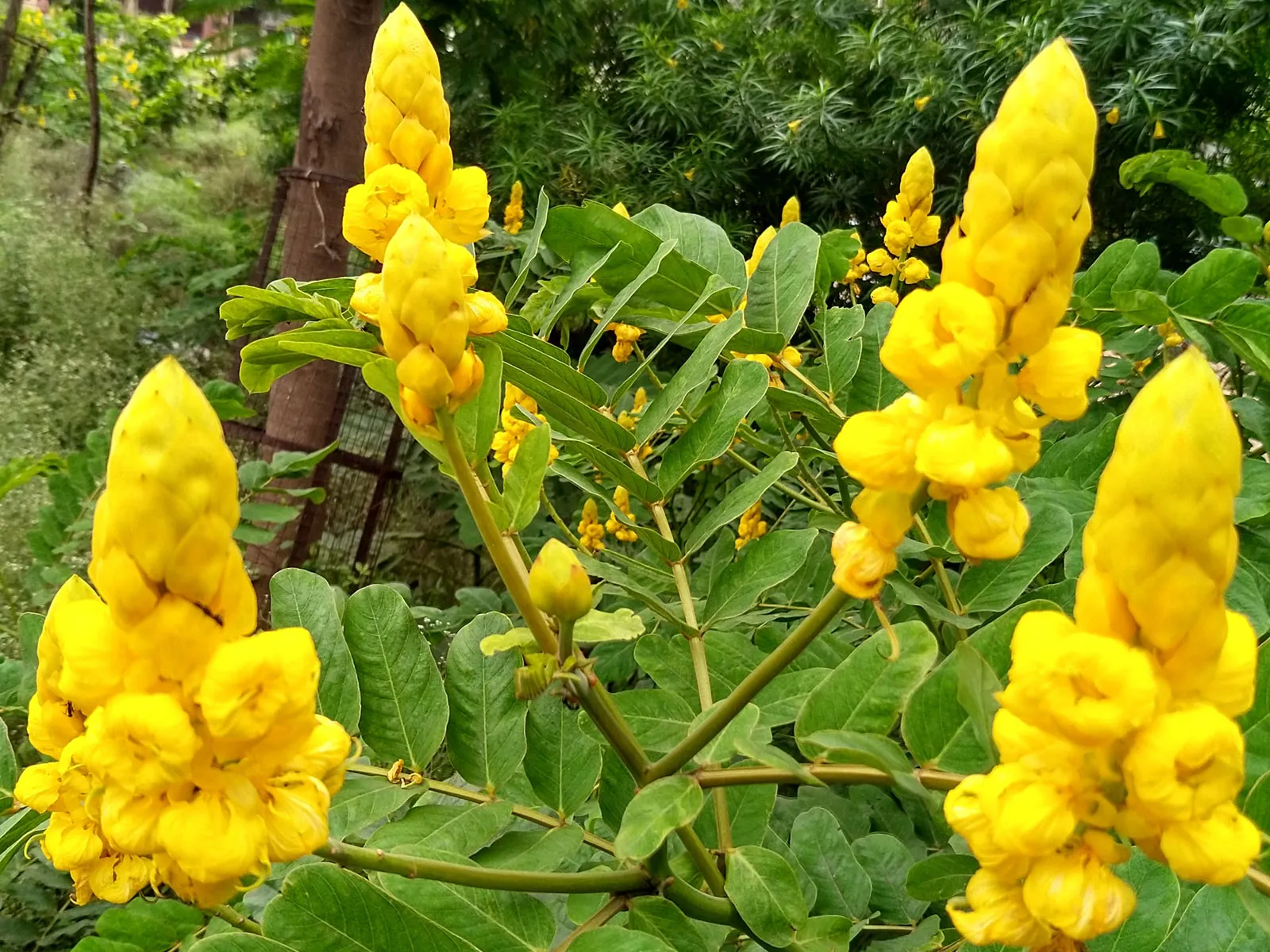
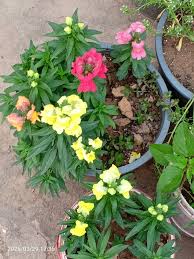
  • The Flowers: It produces bright, buttery-yellow flowers that grow in upright clusters (racemes). The blooms have a classic five-petal shape and stand out vividly against the green foliage.

  • The Foliage: The leaves are “pinnate,” meaning they consist of several small, lance-shaped leaflets arranged in pairs along a central stem, giving the plant a feathery, fern-like appearance.

  • The Fruit: It bears flat, oblong green pods that turn dark brown or black as they mature, containing the seeds used for propagation.

  • Growth Habit: It is a hardy, perennial shrub that typically reaches a height of 2 to 4 feet, with a sprawling, bushy structure.

Key Benefits

  • Natural Laxative: The leaves and pods are world-famous for their digestive benefits. “Sana-e-Makki” tea is a staple local remedy for constipation and is a primary ingredient in many over-the-counter herbal supplements.

  • Drought Specialist: Being native to desert-like climates, the Indian Senna is incredibly water-efficient. It thrives in the intense heat and dry winds of a Lahore summer that would wither more delicate plants.

  • Soil Improvement: As a legume, Senna helps “fix” nitrogen in the soil, naturally improving the fertility of the ground where it grows.

  • Ornamental Appeal: Beyond its health benefits, the bright yellow flowers provide a beautiful “wildflower” aesthetic to a sunny corner of the garden.

Maintenance & Care

  • Sunlight: This plant is a sun-lover. It requires full, direct sunlight (6+ hours) to flower well. It will become thin and weak if kept in the shade.

  • Watering: Very low water requirements. Once established, it only needs watering when the soil is completely dry. Overwatering is the most common cause of failure, as it can lead to root rot.

  • Soil: It prefers well-drained, sandy, or even rocky soil. It does exceptionally well in the local “Bhal” (canal silt) and can tolerate slightly alkaline conditions.

  • Pruning: To keep the shrub from looking “leggy,” prune it back by about one-third after the flowering season ends. This encourages a bushier shape and more blooms in the next cycle.

  • Harvesting: If you are growing it for medicinal use, the leaves should be harvested just before the plant flowers for maximum potency, then dried in the shade.
Category:

Indian Senna (scientifically Senna alexandrina or Cassia angustifolia), known locally as Sana-e-Makki, is a legendary medicinal shrub that is deeply embedded in the herbal traditions of Pakistan. While it is often found growing wild in the arid regions of Sindh and Punjab, it is increasingly being introduced into home gardens for its striking yellow blooms and its “home pharmacy” value.

Description

  • The Flowers: It produces bright, buttery-yellow flowers that grow in upright clusters (racemes). The blooms have a classic five-petal shape and stand out vividly against the green foliage.

  • The Foliage: The leaves are “pinnate,” meaning they consist of several small, lance-shaped leaflets arranged in pairs along a central stem, giving the plant a feathery, fern-like appearance.

  • The Fruit: It bears flat, oblong green pods that turn dark brown or black as they mature, containing the seeds used for propagation.

  • Growth Habit: It is a hardy, perennial shrub that typically reaches a height of 2 to 4 feet, with a sprawling, bushy structure.

Key Benefits

  • Natural Laxative: The leaves and pods are world-famous for their digestive benefits. “Sana-e-Makki” tea is a staple local remedy for constipation and is a primary ingredient in many over-the-counter herbal supplements.

  • Drought Specialist: Being native to desert-like climates, the Indian Senna is incredibly water-efficient. It thrives in the intense heat and dry winds of a Lahore summer that would wither more delicate plants.

  • Soil Improvement: As a legume, Senna helps “fix” nitrogen in the soil, naturally improving the fertility of the ground where it grows.

  • Ornamental Appeal: Beyond its health benefits, the bright yellow flowers provide a beautiful “wildflower” aesthetic to a sunny corner of the garden.

Maintenance & Care

  • Sunlight: This plant is a sun-lover. It requires full, direct sunlight (6+ hours) to flower well. It will become thin and weak if kept in the shade.

  • Watering: Very low water requirements. Once established, it only needs watering when the soil is completely dry. Overwatering is the most common cause of failure, as it can lead to root rot.

  • Soil: It prefers well-drained, sandy, or even rocky soil. It does exceptionally well in the local “Bhal” (canal silt) and can tolerate slightly alkaline conditions.

  • Pruning: To keep the shrub from looking “leggy,” prune it back by about one-third after the flowering season ends. This encourages a bushier shape and more blooms in the next cycle.

  • Harvesting: If you are growing it for medicinal use, the leaves should be harvested just before the plant flowers for maximum potency, then dried in the shade.
Reviews

There are no reviews yet.

Be the first to review “INDIAN SENNA”

Your email address will not be published. Required fields are marked *

Scroll to Top