FLOWERING CABBAGE – PANEERI

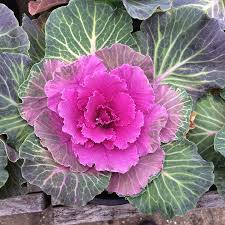
Flowering Cabbage (scientifically Brassica oleracea), also commonly known as Ornamental Kale, is the “textural queen” of the Pakistani winter garden. While it looks like a giant, vibrant rose made of vegetables, it is grown for its stunning foliage rather than its flavor.

In Lahore and the surrounding plains, buying Flowering Cabbage Paneeri is a favorite way to add cold-weather color that lasts long after the frost has nipped more delicate flowers.

Description

  • The Look: It grows in a tight, rosette shape. The outer leaves are usually a rugged, wavy blue-green, while the center “flushes” into brilliant shades of creamy white, sunset pink, or deep magenta.

  • The Trigger: A unique characteristic of this plant is that it needs cold temperatures (below 10°C) to develop its color. The colder it gets, the more intense the pinks and whites become.

  • Texture: You will find two main types of paneeri:

    • Feathered/Fringed: Leaves are deeply serrated and look like coral or lace.

    • Round-Leaf: Broad, smooth leaves that look like a giant, blooming peony.

Key Benefits

  • Extreme Frost Hardiness: While Petunias might droop during a harsh January frost in the Punjab, Flowering Cabbage actually looks its best. It is virtually “freeze-proof.”

  • Long-Lasting Color: Unlike a flower that blooms and fades in a week, the colorful center of this plant stays vibrant for months.

  • Low Maintenance: It is not a “hungry” or “thirsty” plant compared to Roses. Once established, it requires very little attention.

  • Edible (Technically): While grown for beauty and often bitter, the leaves are non-toxic. (However, most gardeners avoid eating them due to the pesticides used in ornamental nurseries).

  • Pest Resistance: Its waxy leaves are tougher than regular cabbage, making it less attractive to some common garden pests.

Maintenance & Care

  • Sunlight: Needs full sun. If grown in the shade, the plant will become “leggy” (the stem grows long and weak) and the center will not color up properly.

  • Watering: Keep the soil consistently moist but never waterlogged. In the dry Lahore winter air, a deep watering every 2–3 days is usually sufficient.

  • Planting Depth: When transplanting paneeri, bury the stem right up to the first set of leaves. This prevents the plant from becoming top-heavy and falling over as it grows larger.

  • Soil: Thrives in standard “Bhal” (canal silt) mixed with a little leaf compost. It doesn’t need heavy fertilizing; too much nitrogen can actually cause the plant to stay green rather than turning pink or white.

  • The “End of Season” Note: As of May, Flowering Cabbage in Lahore has likely “bolted”—meaning the center has shot up a tall yellow flower stalk. At this stage, the plant loses its beauty and is typically removed to make way for summer favorites.

Landscape Styling Ideas

  • The “Formal Border”: Plant them in a perfectly straight line along a walkway. Their symmetry creates a very neat, organized look.

  • Mass Planting: Because they stay low and wide, planting them in a “carpet” of 10–20 plants creates a massive splash of color that can be seen from a distance.
Category:

Flowering Cabbage (scientifically Brassica oleracea), also commonly known as Ornamental Kale, is the “textural queen” of the Pakistani winter garden. While it looks like a giant, vibrant rose made of vegetables, it is grown for its stunning foliage rather than its flavor.

In Lahore and the surrounding plains, buying Flowering Cabbage Paneeri is a favorite way to add cold-weather color that lasts long after the frost has nipped more delicate flowers.

Description

  • The Look: It grows in a tight, rosette shape. The outer leaves are usually a rugged, wavy blue-green, while the center “flushes” into brilliant shades of creamy white, sunset pink, or deep magenta.

  • The Trigger: A unique characteristic of this plant is that it needs cold temperatures (below 10°C) to develop its color. The colder it gets, the more intense the pinks and whites become.

  • Texture: You will find two main types of paneeri:

    • Feathered/Fringed: Leaves are deeply serrated and look like coral or lace.

    • Round-Leaf: Broad, smooth leaves that look like a giant, blooming peony.

Key Benefits

  • Extreme Frost Hardiness: While Petunias might droop during a harsh January frost in the Punjab, Flowering Cabbage actually looks its best. It is virtually “freeze-proof.”

  • Long-Lasting Color: Unlike a flower that blooms and fades in a week, the colorful center of this plant stays vibrant for months.

  • Low Maintenance: It is not a “hungry” or “thirsty” plant compared to Roses. Once established, it requires very little attention.

  • Edible (Technically): While grown for beauty and often bitter, the leaves are non-toxic. (However, most gardeners avoid eating them due to the pesticides used in ornamental nurseries).

  • Pest Resistance: Its waxy leaves are tougher than regular cabbage, making it less attractive to some common garden pests.

Maintenance & Care

  • Sunlight: Needs full sun. If grown in the shade, the plant will become “leggy” (the stem grows long and weak) and the center will not color up properly.

  • Watering: Keep the soil consistently moist but never waterlogged. In the dry Lahore winter air, a deep watering every 2–3 days is usually sufficient.

  • Planting Depth: When transplanting paneeri, bury the stem right up to the first set of leaves. This prevents the plant from becoming top-heavy and falling over as it grows larger.

  • Soil: Thrives in standard “Bhal” (canal silt) mixed with a little leaf compost. It doesn’t need heavy fertilizing; too much nitrogen can actually cause the plant to stay green rather than turning pink or white.

  • The “End of Season” Note: As of May, Flowering Cabbage in Lahore has likely “bolted”—meaning the center has shot up a tall yellow flower stalk. At this stage, the plant loses its beauty and is typically removed to make way for summer favorites.

Landscape Styling Ideas

  • The “Formal Border”: Plant them in a perfectly straight line along a walkway. Their symmetry creates a very neat, organized look.

  • Mass Planting: Because they stay low and wide, planting them in a “carpet” of 10–20 plants creates a massive splash of color that can be seen from a distance.
Reviews

There are no reviews yet.

Be the first to review “FLOWERING CABBAGE – PANEERI”

Your email address will not be published. Required fields are marked *

Scroll to Top