Honey Suckle

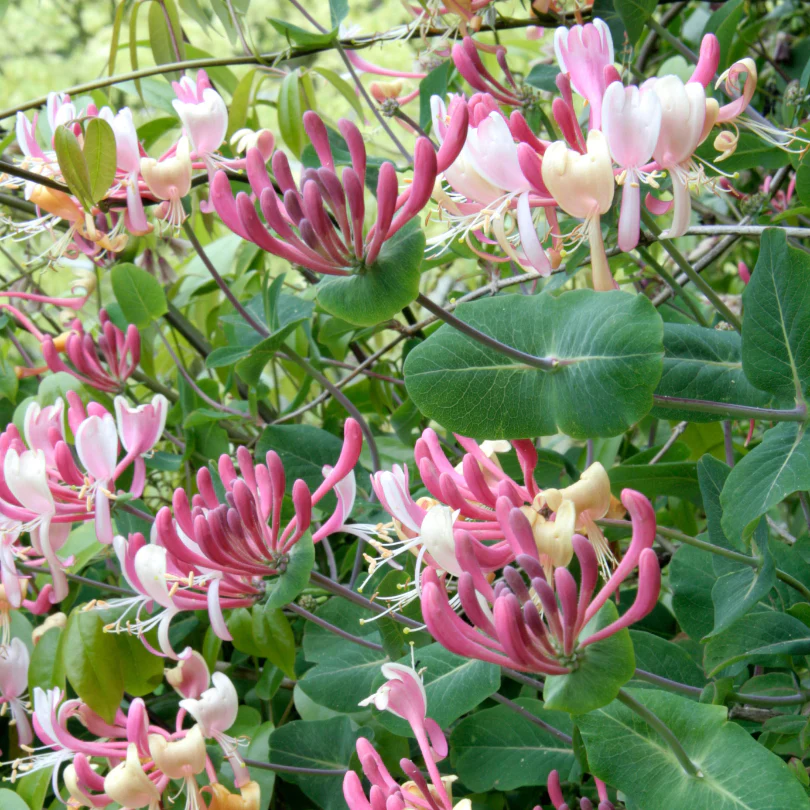
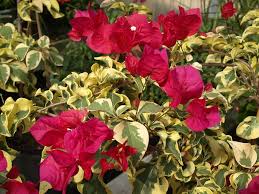
The Honeysuckle (often known locally as Jhumka Bel or Honey-Maki) is one of the most beloved climbing vines in Pakistan. It is cherished not just for its beautiful, tubular flowers, but for its legendary fragrance that intensifies at night, turning any garden, terrace, or balcony into a scented sanctuary.

Quick Facts

  • Scientific Name: Lonicera japonica (Japanese Honeysuckle is most common locally)

  • Plant Type: Evergreen to Semi-Evergreen Woody Vine

  • Hardiness: Extremely hardy; thrives in the intense heat and is very drought-tolerant once established.

  • Appearance: Features pairs of oval, deep green leaves and clusters of trumpet-shaped flowers that often start white and fade to a rich golden-yellow.

Key Benefits

  • Intense Evening Fragrance: The sweet, honey-like scent is a natural “air freshener” for your home. Planting it near windows or entryways allows the evening breeze to carry the aroma indoors.

  • Rapid Vertical Coverage: It is a vigorous grower. It can quickly cover a bare boundary wall, a metal gate, or an unsightly fence, providing a thick “green wall” in just one or two growing seasons.

  • Pollinator Magnet: The nectar-rich flowers are a favorite for bees, butterflies, and sunbirds, bringing vibrant life and movement to your outdoor space.

  • Monsoon Resilience: Unlike some delicate vines that struggle with heavy rain, Honeysuckle thrives during the monsoon, putting out a massive amount of new growth and foliage.

  • Minimal Maintenance: It is a “plant and forget” variety. It is not picky about soil quality and is remarkably resistant to most local pests and diseases.

Care Tips for the Lahore Climate

  • Sunlight: Thrives in full sun to partial shade. For the most abundant flowering, it needs at least 5–6 hours of sunlight. In very cramped, dark courtyards, it will grow leaves but may produce fewer flowers.

  • Watering: During the peak of summer (May–June), it requires regular watering to keep the foliage lush. However, it can survive short periods of drought thanks to its deep root system.

  • Support: As a “twining” vine, it needs something to wrap around. A simple wire mesh, a wooden trellis, or even a chain-link fence works perfectly.

  • Pruning: Because it grows so fast, it can become “woody” at the base over time. Prune it back hard in late winter (February) to encourage fresh, flowering growth from the bottom up.

Landscape Styling Ideas

  • The “Arched Entrance”: Train Honeysuckle over a garden arch or a pergola. This creates a shaded, fragrant tunnel that makes a stunning first impression for guests.

  • The “Privacy Screen”: Grow it along a wire fence to create a natural, scented privacy barrier between you and the street or a neighboring property.
Category:

The Honeysuckle (often known locally as Jhumka Bel or Honey-Maki) is one of the most beloved climbing vines in Pakistan. It is cherished not just for its beautiful, tubular flowers, but for its legendary fragrance that intensifies at night, turning any garden, terrace, or balcony into a scented sanctuary.

Quick Facts

  • Scientific Name: Lonicera japonica (Japanese Honeysuckle is most common locally)

  • Plant Type: Evergreen to Semi-Evergreen Woody Vine

  • Hardiness: Extremely hardy; thrives in the intense heat and is very drought-tolerant once established.

  • Appearance: Features pairs of oval, deep green leaves and clusters of trumpet-shaped flowers that often start white and fade to a rich golden-yellow.

Key Benefits

  • Intense Evening Fragrance: The sweet, honey-like scent is a natural “air freshener” for your home. Planting it near windows or entryways allows the evening breeze to carry the aroma indoors.

  • Rapid Vertical Coverage: It is a vigorous grower. It can quickly cover a bare boundary wall, a metal gate, or an unsightly fence, providing a thick “green wall” in just one or two growing seasons.

  • Pollinator Magnet: The nectar-rich flowers are a favorite for bees, butterflies, and sunbirds, bringing vibrant life and movement to your outdoor space.

  • Monsoon Resilience: Unlike some delicate vines that struggle with heavy rain, Honeysuckle thrives during the monsoon, putting out a massive amount of new growth and foliage.

  • Minimal Maintenance: It is a “plant and forget” variety. It is not picky about soil quality and is remarkably resistant to most local pests and diseases.

Care Tips for the Lahore Climate

  • Sunlight: Thrives in full sun to partial shade. For the most abundant flowering, it needs at least 5–6 hours of sunlight. In very cramped, dark courtyards, it will grow leaves but may produce fewer flowers.

  • Watering: During the peak of summer (May–June), it requires regular watering to keep the foliage lush. However, it can survive short periods of drought thanks to its deep root system.

  • Support: As a “twining” vine, it needs something to wrap around. A simple wire mesh, a wooden trellis, or even a chain-link fence works perfectly.

  • Pruning: Because it grows so fast, it can become “woody” at the base over time. Prune it back hard in late winter (February) to encourage fresh, flowering growth from the bottom up.

Landscape Styling Ideas

  • The “Arched Entrance”: Train Honeysuckle over a garden arch or a pergola. This creates a shaded, fragrant tunnel that makes a stunning first impression for guests.

  • The “Privacy Screen”: Grow it along a wire fence to create a natural, scented privacy barrier between you and the street or a neighboring property.
Reviews

There are no reviews yet.

Be the first to review “Honey Suckle”

Your email address will not be published. Required fields are marked *

Scroll to Top