Lemon Grass

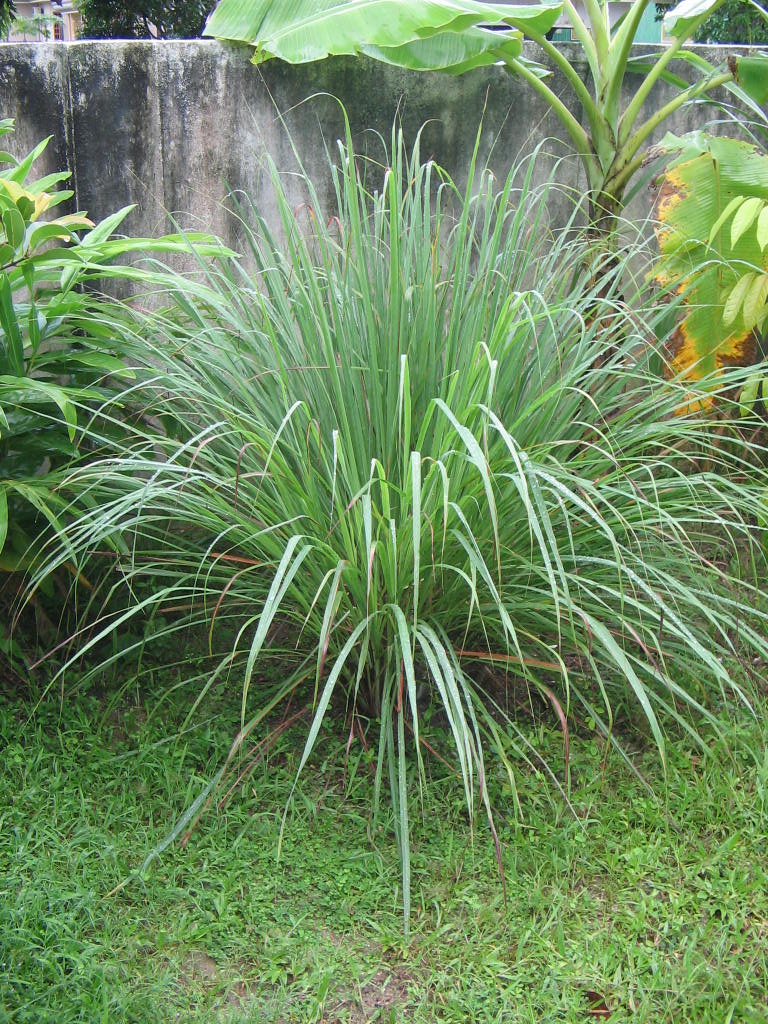
The Lemon Grass (scientifically known as Cymbopogon) is one of the most functional and rewarding plants you can grow in Pakistan. It is a perennial grass that forms dense, fountain-like clumps of fragrant, blue-green blades. In Lahore, it is prized not just as a lush ornamental filler, but as a “living pharmacy” for the home kitchen.

Quick Facts

  • Scientific Name: Cymbopogon citratus

  • Plant Type: Perennial Ornamental Grass

  • Hardiness: Extremely heat-tolerant; thrives in the humidity of the monsoon.

  • Aroma: Strong, refreshing citrus scent when the leaves are crushed or cut.

Key Benefits

  • The “Organic Tea” Source: Lemon grass is a staple for herbal tea (Kehwa). Having a clump in your garden means you have a fresh, organic supply of leaves that are excellent for digestion and relieving stress.

  • Natural Mosquito Repellent: The plant contains Citronella oil. While the plant sitting in a pot won’t clear a whole room, planting it around seating areas or rubbing the crushed leaves on your skin provides a natural barrier against mosquitoes.

  • Lush Aesthetic Filler: With its graceful, arching blades, it is perfect for softening the edges of hard landscapes, such as stone walkways or concrete planters. It provides a “wild,” natural look that balances formal garden structures.

  • Heat & Drought Resilience: Once established, it is incredibly tough. It can handle the blistering 45°C+ Punjab summer with ease and requires very little maintenance compared to flowering shrubs.

  • Erosion Control: It has a very dense, fibrous root system. If you have a sloped area in your garden or loose soil along a boundary wall, Lemon Grass is excellent for “binding” the soil together.

Care Tips for the Lahore Climate

  • Sunlight: Thrives in full sun to partial shade. To get the highest concentration of essential oils (and the best scent), it should get at least 6 hours of direct sunlight.

  • Watering: It loves water, especially during the dry heat of May and June. However, it is quite forgiving; if it wilts due to thirst, it usually “springs” back to life quickly after a good soak.

  • Soil: Prefers well-drained, loamy soil. It is a “heavy feeder,” so mixing in some organic compost or manure once or twice a year will result in much thicker, greener clumps.

  • Pruning: It can become a bit “tangled” over time. The best practice is to give it a “haircut” once a year in late winter (February). Cut it down to about 6 inches from the ground; it will grow back fresh, vibrant, and neat within weeks.

Landscape & Culinary Styling

  • The “Kitchen Border”: Plant it as a border around your vegetable patch or herb garden. It acts as a beautiful green frame that you can harvest from daily.

  • The Sensory Path: Plant it along a walkway where your clothes or legs might brush against it. This releases the refreshing citrus scent every time you walk by.
Category:

The Lemon Grass (scientifically known as Cymbopogon) is one of the most functional and rewarding plants you can grow in Pakistan. It is a perennial grass that forms dense, fountain-like clumps of fragrant, blue-green blades. In Lahore, it is prized not just as a lush ornamental filler, but as a “living pharmacy” for the home kitchen.

Quick Facts

  • Scientific Name: Cymbopogon citratus

  • Plant Type: Perennial Ornamental Grass

  • Hardiness: Extremely heat-tolerant; thrives in the humidity of the monsoon.

  • Aroma: Strong, refreshing citrus scent when the leaves are crushed or cut.

Key Benefits

  • The “Organic Tea” Source: Lemon grass is a staple for herbal tea (Kehwa). Having a clump in your garden means you have a fresh, organic supply of leaves that are excellent for digestion and relieving stress.

  • Natural Mosquito Repellent: The plant contains Citronella oil. While the plant sitting in a pot won’t clear a whole room, planting it around seating areas or rubbing the crushed leaves on your skin provides a natural barrier against mosquitoes.

  • Lush Aesthetic Filler: With its graceful, arching blades, it is perfect for softening the edges of hard landscapes, such as stone walkways or concrete planters. It provides a “wild,” natural look that balances formal garden structures.

  • Heat & Drought Resilience: Once established, it is incredibly tough. It can handle the blistering 45°C+ Punjab summer with ease and requires very little maintenance compared to flowering shrubs.

  • Erosion Control: It has a very dense, fibrous root system. If you have a sloped area in your garden or loose soil along a boundary wall, Lemon Grass is excellent for “binding” the soil together.

Care Tips for the Lahore Climate

  • Sunlight: Thrives in full sun to partial shade. To get the highest concentration of essential oils (and the best scent), it should get at least 6 hours of direct sunlight.

  • Watering: It loves water, especially during the dry heat of May and June. However, it is quite forgiving; if it wilts due to thirst, it usually “springs” back to life quickly after a good soak.

  • Soil: Prefers well-drained, loamy soil. It is a “heavy feeder,” so mixing in some organic compost or manure once or twice a year will result in much thicker, greener clumps.

  • Pruning: It can become a bit “tangled” over time. The best practice is to give it a “haircut” once a year in late winter (February). Cut it down to about 6 inches from the ground; it will grow back fresh, vibrant, and neat within weeks.

Landscape & Culinary Styling

  • The “Kitchen Border”: Plant it as a border around your vegetable patch or herb garden. It acts as a beautiful green frame that you can harvest from daily.

  • The Sensory Path: Plant it along a walkway where your clothes or legs might brush against it. This releases the refreshing citrus scent every time you walk by.
Reviews

There are no reviews yet.

Be the first to review “Lemon Grass”

Your email address will not be published. Required fields are marked *

Scroll to Top