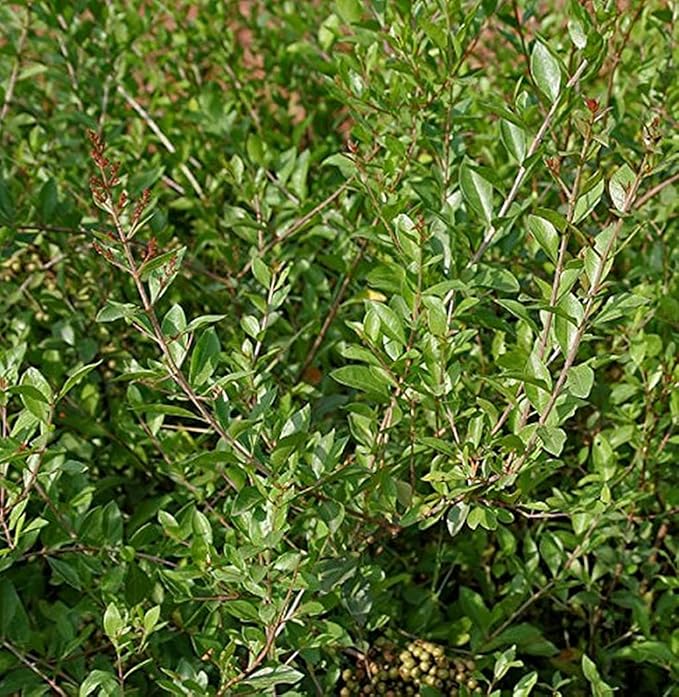
Mehndi Plant

The Mehndi Plant (scientifically known as Lawsonia inermis, and globally as Henna) is a plant of deep cultural, cosmetic, and medicinal significance in Pakistan. It is a tough, drought-tolerant shrub that is perfectly suited to the arid and semi-arid climate of the Punjab and Sindh regions.

Quick Facts

  • Scientific Name: Lawsonia inermis

  • Local Name: Mehndi

  • Plant Type: Large Perennial Shrub / Small Tree

  • Hardiness: Extremely heat-tolerant; thrives in temperatures exceeding 40°C.

  • Appearance: Small, opposite green leaves and clusters of small, fragrant white or cream-colored flowers.

Key Benefits

  • Natural Cosmetic Source: The primary reason for its popularity is the dye (lawsone) found in its leaves. Homegrown Mehndi leaves can be dried and ground into a paste for traditional hand designs or as a natural, chemical-free hair dye.

  • Intense Fragrance: Many people are surprised to learn that the Mehndi plant has a wonderful, heavy scent. Its flowers produce a delicate, sweet fragrance that is especially noticeable in the evenings.

  • Heat & Drought Resilience: It is one of the most “water-wise” plants you can grow. Once established, it can survive on very little water and thrives in the blistering Pakistani summer where other ornamentals might fail.

  • Excellent Privacy Screen: Because it grows into a dense, woody shrub that can reach 6–10 feet, it is often used as a “living boundary” or a hedge to block the view from the street.

  • Traditional Healing: In local culture, Mehndi paste is applied to the skin not just for color, but for its natural cooling properties to treat “burning” sensations in the hands and feet during the summer.

Care Tips for the Local Climate

  • Sunlight: Thrives in full, direct sun. To produce the highest quality dye in the leaves, the plant needs maximum heat and light.

  • Watering: Very low water requirements. Overwatering is the biggest threat to Mehndi; ensure the soil dries out completely between waterings. It is particularly sensitive to waterlogging during the monsoon.

  • Soil: It prefers sandy or well-drained loamy soil. It can tolerate poor, rocky, or even slightly salty soil, making it very versatile for new housing developments.

  • Pruning: To keep it as a neat hedge, prune it regularly. If you want to harvest the leaves, prune the branches back in late spring or after the monsoon; this encourages a flush of new, dye-rich foliage.

Landscape & Functional Styling

  • The “Boundary Hedge”: Plant Mehndi along your outer wall. It provides a thick green barrier that stays evergreen for most of the year and requires almost no maintenance.

  • The Scented Corner: Place it near a window or an outdoor seating area (shamosa) to enjoy the fragrance of its flowers during the summer nights.

  • The “Heritage Garden”: Pair it with other culturally significant plants like Jasminum (Motiya) and Rosa indica (Desi Gulab) to create a traditional Pakistani garden theme.
Category:

The Mehndi Plant (scientifically known as Lawsonia inermis, and globally as Henna) is a plant of deep cultural, cosmetic, and medicinal significance in Pakistan. It is a tough, drought-tolerant shrub that is perfectly suited to the arid and semi-arid climate of the Punjab and Sindh regions.

Quick Facts

  • Scientific Name: Lawsonia inermis

  • Local Name: Mehndi

  • Plant Type: Large Perennial Shrub / Small Tree

  • Hardiness: Extremely heat-tolerant; thrives in temperatures exceeding 40°C.

  • Appearance: Small, opposite green leaves and clusters of small, fragrant white or cream-colored flowers.

Key Benefits

  • Natural Cosmetic Source: The primary reason for its popularity is the dye (lawsone) found in its leaves. Homegrown Mehndi leaves can be dried and ground into a paste for traditional hand designs or as a natural, chemical-free hair dye.

  • Intense Fragrance: Many people are surprised to learn that the Mehndi plant has a wonderful, heavy scent. Its flowers produce a delicate, sweet fragrance that is especially noticeable in the evenings.

  • Heat & Drought Resilience: It is one of the most “water-wise” plants you can grow. Once established, it can survive on very little water and thrives in the blistering Pakistani summer where other ornamentals might fail.

  • Excellent Privacy Screen: Because it grows into a dense, woody shrub that can reach 6–10 feet, it is often used as a “living boundary” or a hedge to block the view from the street.

  • Traditional Healing: In local culture, Mehndi paste is applied to the skin not just for color, but for its natural cooling properties to treat “burning” sensations in the hands and feet during the summer.

Care Tips for the Local Climate

  • Sunlight: Thrives in full, direct sun. To produce the highest quality dye in the leaves, the plant needs maximum heat and light.

  • Watering: Very low water requirements. Overwatering is the biggest threat to Mehndi; ensure the soil dries out completely between waterings. It is particularly sensitive to waterlogging during the monsoon.

  • Soil: It prefers sandy or well-drained loamy soil. It can tolerate poor, rocky, or even slightly salty soil, making it very versatile for new housing developments.

  • Pruning: To keep it as a neat hedge, prune it regularly. If you want to harvest the leaves, prune the branches back in late spring or after the monsoon; this encourages a flush of new, dye-rich foliage.

Landscape & Functional Styling

  • The “Boundary Hedge”: Plant Mehndi along your outer wall. It provides a thick green barrier that stays evergreen for most of the year and requires almost no maintenance.

  • The Scented Corner: Place it near a window or an outdoor seating area (shamosa) to enjoy the fragrance of its flowers during the summer nights.

  • The “Heritage Garden”: Pair it with other culturally significant plants like Jasminum (Motiya) and Rosa indica (Desi Gulab) to create a traditional Pakistani garden theme.
Reviews

There are no reviews yet.

Be the first to review “Mehndi Plant”

Your email address will not be published. Required fields are marked *

Scroll to Top