

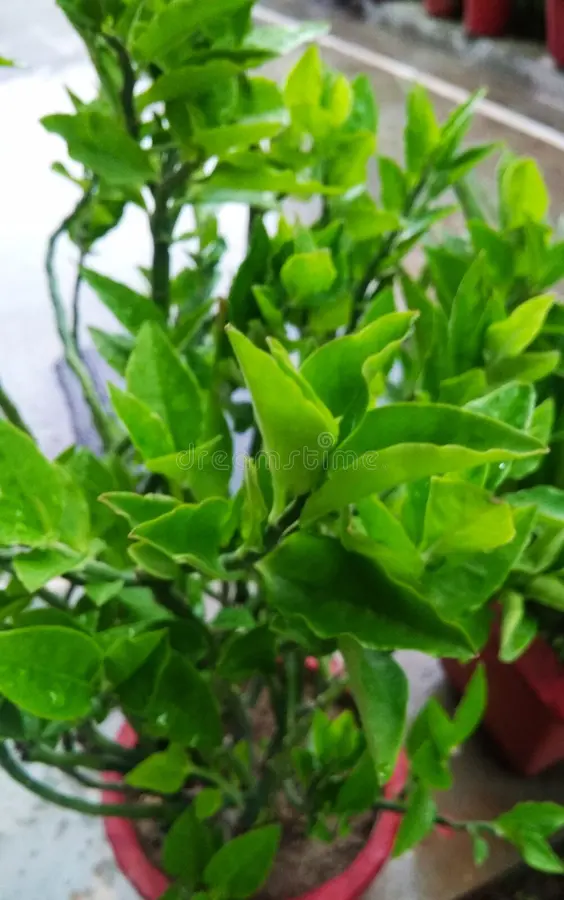
Naagdon (scientifically known as Euphorbia tithymaloides or Pedilanthus tithymaloides) is an architectural wonder in the Pakistani garden. Often called the Zig-Zag Plant or Devil’s Backbone, it is easily recognized by its unique, “fractal” stem that changes direction at every leaf node. It is a rugged, succulent-like shrub that is as much a conversation piece as it is a resilient landscape filler.
Quick Facts
-
Scientific Name: Euphorbia tithymaloides
-
Common Names: Naagdon, Zig-Zag Plant, Jacob’s Ladder.
-
Plant Type: Succulent Shrub.
-
Hardiness: Extremely heat-tolerant; thrives in the dry heat of Lahore and central Pakistan.
-
Key Feature: Thick, fleshy, zig-zagging stems and slipper-shaped red flowers (though blooms are rare).
Key Benefits
-
Striking Architectural Shape: The unconventional “zig-zag” growth habit adds a modern, geometric look to garden beds. It provides a sharp contrast to the soft, rounded shapes of most other garden shrubs.
-
Drought Specialist: Like most Euphorbias, Naagdon stores water in its thick stems. It can survive long periods without watering, making it an excellent choice for “low-maintenance” or “weekend” gardens.
-
Year-Round Greenery: It is a reliable evergreen. Even in the height of summer or the chill of winter, its stems and thick leaves maintain a rich, waxy green color (though some varieties may turn slightly pinkish in winter).
-
Traditional Medicinal Value: In local tradition, Naagdon is often kept for its purported medicinal properties, particularly for its use in treating digestive issues or as a topical application, though it should be handled with care.
-
Easy Propagation: It is one of the easiest plants to multiply. A simple stem cutting placed in soil will almost always root and grow into a new plant within a few weeks.
Care Tips for the Local Climate
-
Sunlight: Very versatile. It thrives in full sun to partial shade. In the extreme 45°C+ Lahore heat, it actually performs best in “dappled” sunlight (under a tree or a green net), which keeps the leaves from turning yellow.
-
Watering: Less is more. Water it only when the soil has dried out completely. Overwatering is its greatest enemy and will lead to stem rot.
-
Soil: Requires very well-drained soil. A mix of garden soil and sand is ideal. It does not tolerate “standing water” during the monsoon season.
-
Winter Care: While hardy, it may drop some leaves if the temperature dips significantly in January. Don’t worry; it will sprout new leaves as soon as the spring warmth arrives in February.
Landscape Styling Ideas
-
The “Structural” Border: Plant it in a tight row along a walkway or a low boundary wall. Its upright, clean lines create a very neat and organized frame for the garden.
-
Modern Potted Accents: Place three Naagdon plants of varying heights in tall, minimalist grey or white planters. This creates a high-end, sculptural look for a porch or office entrance.
-
The Rock Garden: Because of its succulent nature, it pairs perfectly with Agaves, Cactus, and Madagascar Palms in a rock or gravel-based garden.


Reviews
There are no reviews yet.