

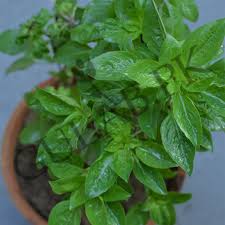
Niazboo (scientifically known as Ocimum basilicum or Sweet Basil) is perhaps the most beloved aromatic herb in Pakistan after Mint. While it is a member of the Basil family, the local variety is cherished for its intense, spicy-sweet fragrance that can fill an entire courtyard, especially after a rain shower or in the evening.
Quick Facts
-
Scientific Name: Ocimum basilicum
-
Local Name: Niazboo / Sabja
-
Plant Type: Annual or Short-lived Perennial Herb
-
Hardiness: Thrives in warm weather; sensitive to extreme frost.
-
Key Feature: Highly aromatic leaves and spikes of small purple or white flowers.
Key Benefits
-
The “Scent of the East”: Niazboo is famous for its powerful fragrance. In traditional Pakistani homes, it is often planted near entrances or in courtyards so that anyone passing by can enjoy its refreshing, clove-like aroma.
-
Mosquito & Fly Repellent: Much like Lemon Grass, the essential oils in Niazboo leaves act as a natural deterrent for mosquitoes and houseflies. Keeping a few pots on a windowsill or near a door helps keep insects out.
-
Culinary & Medicinal Uses:
-
Seeds (Tukhm-e-Rehan): The seeds of the Niazboo plant are often used in summer drinks like Falooda or Sharbat because of their incredible cooling properties.
-
Herbal Tea: The leaves are used in local home remedies to treat coughs, colds, and digestive issues.
-
-
Pollinator Friendly: When it flowers, Niazboo becomes a magnet for bees and butterflies, making it a vital plant for supporting the local ecosystem in an urban garden.
-
Spiritual & Cultural Value: It is often considered a “blessed” plant in many local traditions and is frequently found in the gardens of shrines and old havelis.
Care Tips for the Lahore Climate
-
Sunlight: Prefers full sun to partial shade. In the extreme heat of June, it appreciates a bit of afternoon shade to prevent the leaves from wilting or becoming too tough.
-
Watering: Loves consistent moisture. The soil should be kept damp but not soggy. During the dry summer months, it may need daily watering to keep the foliage lush.
-
Soil: Thrives in rich, well-drained loamy soil. Adding a bit of organic compost once a month will keep the leaves large and fragrant.
-
Pruning (Crucial): To keep the plant bushy, you must pinch off the flower spikes as soon as they appear. If you let it flower and go to seed, the plant will stop producing new leaves and eventually die back.



Reviews
There are no reviews yet.