

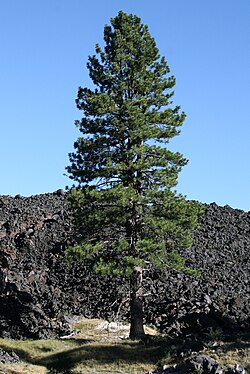
While the mention of Pine Trees (Pinus) often brings to mind the snowy peaks of Murree or the Swat Valley, certain varieties are surprisingly adaptable to the plains of Pakistan. In a landscape like Lahore, they offer a “hill station” aesthetic and a unique needle-like texture that contrasts beautifully with the broad-leaved tropical plants typically found in local gardens.
Top Varieties for Our Climate
-
Pinus roxburghii (Chir Pine):
-
This is the most heat-tolerant pine. While it naturally grows in the lower Himalayas, it can survive in the plains if given enough space and well-drained soil. It has long, graceful needles and a rugged, deeply fissured bark.
-
-
Pinus halepensis (Aleppo Pine):
-
Commonly found in Mediterranean climates, this variety is very tough and drought-resistant. It handles the hot, dry summers of central Pakistan better than most other conifers.
-
-
Araucaria heterophylla (Norfolk Island Pine):
-
The Popular Choice: Though not a “true” pine, this is what you will see most often in Lahore nurseries. It has a perfect, symmetrical star shape and is the most successful “conifer-style” tree for urban gardens and large pots.
-
Key Benefits
-
Year-Round Greenery: Pine trees are evergreen, providing a consistent green backdrop even in the winter when many other trees drop their leaves.
-
Distinct Fragrance: The resinous, “piney” scent is refreshing and is known to have a calming effect. It’s a wonderful scent to have wafting through a garden after a rain shower.
-
Vertical Interest: Most pines grow tall and relatively straight, making them excellent for adding height to a landscape without taking up a massive amount of horizontal space at the base.
-
Low Litter: Unlike deciduous trees, pines don’t drop a carpet of leaves every autumn. While they do shed needles, they do so gradually throughout the year.
Care Tips for the Plains (Lahore/Punjab)
-
The “Drainage” Rule: Pine trees hate “wet feet.” They will fail quickly in waterlogged clay soil. When planting, ensure the soil is sandy and well-drained. Elevating the planting area into a small mound is a great trick for the monsoon season.
-
Sunlight: They need full, direct sun. If planted in the shade of a building or a larger tree, they will become thin, sparse, and lose their lower branches.
-
Watering: Young pines need regular watering to establish their root systems. However, once mature, they are quite drought-tolerant. Be careful not to overwater during the humid monsoon months.
-
Temperature: Protect young saplings during their first few summers. The intense 45°C+ heat can be hard on them; a bit of morning-only sun or a green net during May/June can help them survive until they are hardy enough to handle the full sun.
Landscape Styling Ideas
-
The “Mountain” Corner: Create a themed corner of your garden by grouping a few pines with large rocks, boulders, and a gravel groundcover. This mimics a high-altitude landscape.
-
The Boundary Line: Plant a row of pines along a long driveway or boundary wall to create a formal, “estate” feel.
-
Potted Majesty: Norfolk Island Pines look stunning in large, high-quality ceramic pots. They are often used as “outdoor Christmas trees” during the winter and can be moved to a shaded porch during the peak of summer.



Reviews
There are no reviews yet.