Stevia

Stevia (Stevia rebaudiana), often called “Meethi Tulsi” in local nurseries, is a remarkable perennial herb that has gained massive popularity in Pakistan as a natural, zero-calorie alternative to sugar. While it looks like a simple green mint-relative, its leaves contain compounds (steviol glycosides) that are up to 300 times sweeter than cane sugar.

In the climate of the plains, Stevia is a rewarding “functional” plant that can be grown in kitchen gardens or even in small balcony pots.

Description

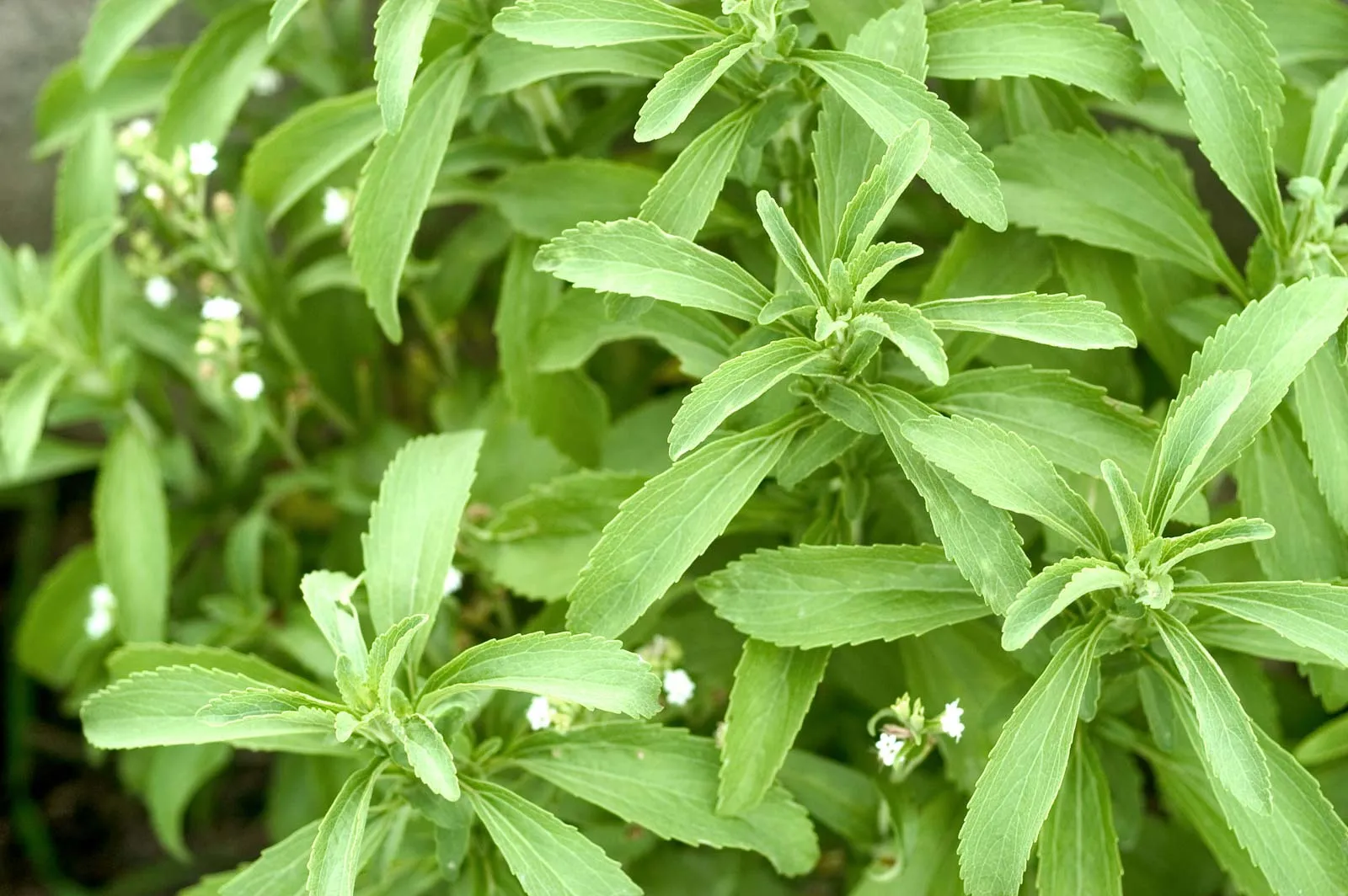
  • The Foliage: It features bright green, slightly serrated leaves that grow in opposite pairs along woody stems.

  • Growth Habit: It typically grows as a small, bushy shrub reaching about 1 to 2 feet in height.

  • The Flowers: In late autumn, it produces small, white, tubular flowers. However, for the sweetest leaves, it is usually better to prevent flowering by pinching the tips.

  • The Taste: A single tiny piece of a raw leaf placed on the tongue provides an immediate, intense sweetness with a slight licorice-like aftertaste.

Key Benefits

  • Zero-Calorie Sweetener: It is a dream plant for diabetics or those looking to reduce sugar intake. You can use fresh or dried leaves to sweeten tea (Chai), coffee, or lemonade (Shikanjabeen).

  • Cost-Effective: A single healthy plant can provide enough leaves to replace a significant amount of purchased sweeteners over a season.

  • Safe & Natural: Unlike synthetic “blue or yellow” packets, Stevia is a raw, plant-based product with no chemicals.

  • Easy Drying: The leaves can be easily air-dried and crushed into a fine powder, which can be stored in a jar for months.

  • Space-Efficient: Because of its small size, it thrives in 8-to-10 inch pots, making it perfect for urban homes in Lahore.

Maintenance & Care

  • Sunlight: Stevia loves morning sun. In the local climate, it should be kept in a spot that gets 4–6 hours of sunlight but is protected from the harsh afternoon sun (1 PM to 4 PM), which can wilt and burn the delicate leaves.

  • Watering: It prefers “consistently moist” soil. It does not handle drought well, nor does it like to sit in stagnant water. Water it when the top surface of the soil feels dry to the touch.

  • The “Pinch” Technique: To keep the plant bushy and maximize leaf production, regularly pinch off the top 2 inches of the stems. This prevents the plant from becoming “leggy” and delays flowering (which can make the leaves bitter).

  • Soil: Use a light, well-draining potting mix. A blend of “Bhal” (canal silt), leaf compost, and a bit of sand works best.

  • Harvesting: The sweetest leaves are harvested just before the plant flowers in the autumn. However, you can pick individual leaves throughout the year as needed.
Category:

Stevia (Stevia rebaudiana), often called “Meethi Tulsi” in local nurseries, is a remarkable perennial herb that has gained massive popularity in Pakistan as a natural, zero-calorie alternative to sugar. While it looks like a simple green mint-relative, its leaves contain compounds (steviol glycosides) that are up to 300 times sweeter than cane sugar.

In the climate of the plains, Stevia is a rewarding “functional” plant that can be grown in kitchen gardens or even in small balcony pots.

Description

  • The Foliage: It features bright green, slightly serrated leaves that grow in opposite pairs along woody stems.

  • Growth Habit: It typically grows as a small, bushy shrub reaching about 1 to 2 feet in height.

  • The Flowers: In late autumn, it produces small, white, tubular flowers. However, for the sweetest leaves, it is usually better to prevent flowering by pinching the tips.

  • The Taste: A single tiny piece of a raw leaf placed on the tongue provides an immediate, intense sweetness with a slight licorice-like aftertaste.

Key Benefits

  • Zero-Calorie Sweetener: It is a dream plant for diabetics or those looking to reduce sugar intake. You can use fresh or dried leaves to sweeten tea (Chai), coffee, or lemonade (Shikanjabeen).

  • Cost-Effective: A single healthy plant can provide enough leaves to replace a significant amount of purchased sweeteners over a season.

  • Safe & Natural: Unlike synthetic “blue or yellow” packets, Stevia is a raw, plant-based product with no chemicals.

  • Easy Drying: The leaves can be easily air-dried and crushed into a fine powder, which can be stored in a jar for months.

  • Space-Efficient: Because of its small size, it thrives in 8-to-10 inch pots, making it perfect for urban homes in Lahore.

Maintenance & Care

  • Sunlight: Stevia loves morning sun. In the local climate, it should be kept in a spot that gets 4–6 hours of sunlight but is protected from the harsh afternoon sun (1 PM to 4 PM), which can wilt and burn the delicate leaves.

  • Watering: It prefers “consistently moist” soil. It does not handle drought well, nor does it like to sit in stagnant water. Water it when the top surface of the soil feels dry to the touch.

  • The “Pinch” Technique: To keep the plant bushy and maximize leaf production, regularly pinch off the top 2 inches of the stems. This prevents the plant from becoming “leggy” and delays flowering (which can make the leaves bitter).

  • Soil: Use a light, well-draining potting mix. A blend of “Bhal” (canal silt), leaf compost, and a bit of sand works best.

  • Harvesting: The sweetest leaves are harvested just before the plant flowers in the autumn. However, you can pick individual leaves throughout the year as needed.
Reviews

There are no reviews yet.

Be the first to review “Stevia”

Your email address will not be published. Required fields are marked *

Scroll to Top