

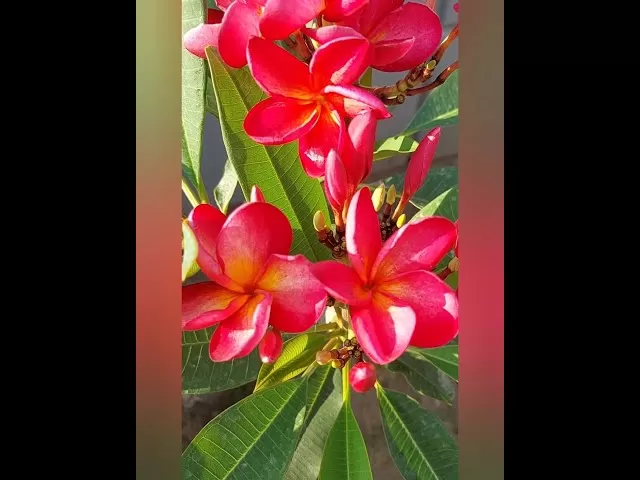
The Frangipani, widely known in Pakistan as Gul-e-Cheen, is the crown jewel of tropical landscapes. Famous for its intoxicating fragrance and sculptural, “architectural” branches, it evokes a sense of luxury and serenity. Whether planted in a grand garden or a large terrace pot, it is a symbol of elegance and resilience.
Quick Facts
-
Scientific Name: Plumeria
-
Local Name: Gul-e-Cheen
-
Plant Type: Small Deciduous Tree / Large Shrub
-
Hardiness: Loves the heat; extremely drought-tolerant once established.
-
Colors: Available in classic white with a yellow center, vibrant pink, deep red, and sunset orange.
Key Benefits
-
Heavenly Fragrance: The scent is most intense during the evening and early morning, making it a “must-have” plant near patios, balconies, or bedroom windows where the breeze can carry the aroma indoors.
-
Architectural Beauty: Even in winter when it loses its leaves, the smooth, thick, succulent-like branches have a unique “Zen” look that provides a beautiful silhouette against the sky.
-
Maximum Heat Tolerance: Gul-e-Cheen thrives in the 40°C+ temperatures of a Lahore summer. It is one of the few trees that looks its best when the sun is at its peak.
-
Low Maintenance & Water-Wise: It requires very little water once the root system is deep. It is an ideal plant for sustainable gardening and for those who want a “high-end” look without constant upkeep.
-
Iconic Blooms: The thick, waxy flowers are incredibly durable. They are often used in decorative bowls of water (floating flowers) to add a spa-like feel to home entrances.
Care Tips for the Lahore Climate
-
Sunlight: Thrives in full sun. It needs at least 6 hours of direct sunlight to produce those famous, abundant blooms.
-
Watering: It is a succulent-like tree; overwatering is its biggest enemy. Only water when the soil is dry. During the monsoon, ensure the drainage is perfect so water doesn’t stand around the roots.
-
Soil: Use a very well-draining soil mix. If planting in a container, a mix of sand, soil, and compost is ideal.
-
Winter Dormancy: In December and January, Gul-e-Cheen will naturally drop its leaves. Do not be alarmed—this is its “rest phase.” Stop watering almost entirely during this time until new leaf buds appear in February.
Popular Varieties
-
White (Plumeria alba): The most fragrant and classic variety, often seen in high-end bungalows and parks.
-
Pink/Red (Plumeria rubra): Offers a more vibrant, tropical pop of color but often has a slightly milder scent than the white variety.

Reviews
There are no reviews yet.