Hibiscus

The Hibiscus (locally known as Gul-e-Khera or Gudhal) is the undisputed king of tropical flowering shrubs. In Pakistan, it is a staple for gardens and terraces because it thrives in the intense summer sun, producing large, trumpet-shaped blooms that come in almost every color imaginable—from fiery reds and sunny yellows to delicate pinks and purples.

Quick Facts

  • Scientific Name: Hibiscus rosa-sinensis

  • Plant Type: Evergreen Flowering Shrub

  • Hardiness: Extremely heat-tolerant; loves the humidity of the monsoon season.

  • Bloom Cycle: Capable of blooming year-round in warm climates, with peak flowering from spring through autumn.

Key Benefits

  • Continuous Color: Unlike plants that only bloom once a year, a healthy Hibiscus can produce new flowers nearly every day, ensuring your garden always has a “pop” of color.

  • Excellent for Screening: Many varieties grow tall and dense, making them perfect for creating a “flowering privacy hedge” along boundary walls or to hide utility areas.

  • Pollinator Friendly: The bright, open blooms are a favorite for butterflies and sunbirds, adding ecological value to your home landscape.

  • Versatile Sizing: They range from “Dwarf” varieties (perfect for small pots on a balcony) to large, 10-foot shrubs that can be pruned into a small tree shape.

  • Low Toxicity & Traditional Uses: Hibiscus flowers are often used in herbal teas and traditional hair treatments, making them a safe and functional addition to a family garden.

Care Tips for the Lahore Climate

  • Sunlight: Thrives in full sun. To get the most flowers, it needs at least 6 to 8 hours of direct sunlight. If kept in too much shade, the plant will grow leggy and stop blooming.

  • Watering: Hibiscus is a thirsty plant during the summer. In May and June, it may require daily watering. However, ensure the pot or soil has excellent drainage, as they do not like standing water.

  • Feeding: They are “heavy feeders.” To keep the blooms coming, apply a high-potassium fertilizer or organic compost every 4–6 weeks during the growing season.

  • Pruning: Don’t be afraid to prune! Trimming the branches in early spring (February) encourages more “branching,” and since flowers grow on new wood, more branches mean more flowers.

Popular Varieties for Pakistan

  • Double Petal (Raja): Features thick, ruffled blooms that look like roses; very popular for traditional gardens.

  • Single Red: The classic, hardiest variety. It is virtually “indestructible” and perfect for low-maintenance boundary hedges.

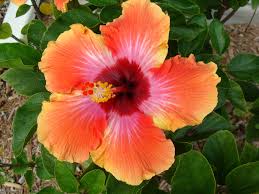
  • Australian/Hybrid Hibiscus: These offer massive, saucer-sized flowers in multi-color swirls (like orange with a red center), ideal as a standalone “specimen” plant in a decorative pot.

Category:

The Hibiscus (locally known as Gul-e-Khera or Gudhal) is the undisputed king of tropical flowering shrubs. In Pakistan, it is a staple for gardens and terraces because it thrives in the intense summer sun, producing large, trumpet-shaped blooms that come in almost every color imaginable—from fiery reds and sunny yellows to delicate pinks and purples.

Quick Facts

  • Scientific Name: Hibiscus rosa-sinensis

  • Plant Type: Evergreen Flowering Shrub

  • Hardiness: Extremely heat-tolerant; loves the humidity of the monsoon season.

  • Bloom Cycle: Capable of blooming year-round in warm climates, with peak flowering from spring through autumn.

Key Benefits

  • Continuous Color: Unlike plants that only bloom once a year, a healthy Hibiscus can produce new flowers nearly every day, ensuring your garden always has a “pop” of color.

  • Excellent for Screening: Many varieties grow tall and dense, making them perfect for creating a “flowering privacy hedge” along boundary walls or to hide utility areas.

  • Pollinator Friendly: The bright, open blooms are a favorite for butterflies and sunbirds, adding ecological value to your home landscape.

  • Versatile Sizing: They range from “Dwarf” varieties (perfect for small pots on a balcony) to large, 10-foot shrubs that can be pruned into a small tree shape.

  • Low Toxicity & Traditional Uses: Hibiscus flowers are often used in herbal teas and traditional hair treatments, making them a safe and functional addition to a family garden.

Care Tips for the Lahore Climate

  • Sunlight: Thrives in full sun. To get the most flowers, it needs at least 6 to 8 hours of direct sunlight. If kept in too much shade, the plant will grow leggy and stop blooming.

  • Watering: Hibiscus is a thirsty plant during the summer. In May and June, it may require daily watering. However, ensure the pot or soil has excellent drainage, as they do not like standing water.

  • Feeding: They are “heavy feeders.” To keep the blooms coming, apply a high-potassium fertilizer or organic compost every 4–6 weeks during the growing season.

  • Pruning: Don’t be afraid to prune! Trimming the branches in early spring (February) encourages more “branching,” and since flowers grow on new wood, more branches mean more flowers.

Popular Varieties for Pakistan

  • Double Petal (Raja): Features thick, ruffled blooms that look like roses; very popular for traditional gardens.

  • Single Red: The classic, hardiest variety. It is virtually “indestructible” and perfect for low-maintenance boundary hedges.

  • Australian/Hybrid Hibiscus: These offer massive, saucer-sized flowers in multi-color swirls (like orange with a red center), ideal as a standalone “specimen” plant in a decorative pot.
Reviews

There are no reviews yet.

Be the first to review “Hibiscus”

Your email address will not be published. Required fields are marked *

Scroll to Top